
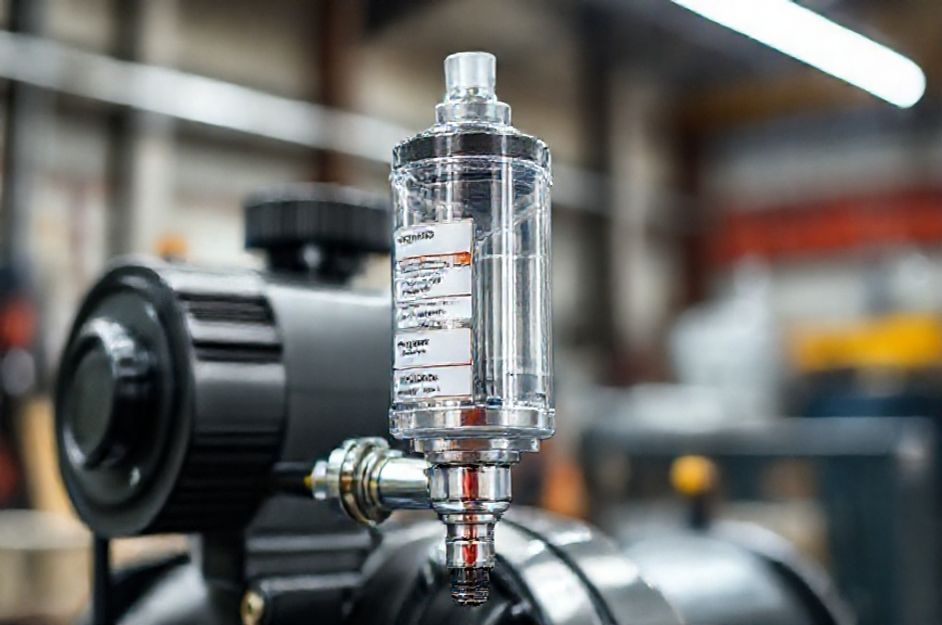
FRL stands for Filter, Regulator, and Lubricator – essential components that prepare compressed air from a compressor for use in various applications, such as powering air tools or operating pneumatic cylinders via air valves. Understanding the proper order and function of these components is crucial for maintaining an efficient and reliable compressed air system. Often, troubleshooting client complaints about malfunctioning FRL units begins with identifying the symptoms. Common issues include regulators leaking oil or air filters filling up rapidly. These problems often stem from incorrect installation or a misunderstanding of each component’s role.
The sequence of FRL components – Filter, Regulator, Lubricator – is intentional. Whether configured as a combined unit (FR+L) or as individual components installed sequentially, the order is paramount. The Filter always comes first, followed by the Regulator, and finally the Lubricator.
The filter’s primary function is to remove water and particulate matter from the incoming compressed air. Positioned at the beginning of the line, it safeguards downstream components by preventing contaminants from reaching the more sensitive regulator and lubricator. This pre-treatment significantly extends the lifespan and reliability of the entire system.
Following the filter, the regulator ensures that the air supplied is as clean as possible for optimal performance. While some believe the regulator simply increases pressure, it actually reduces the higher upstream pressure to a consistent, lower pressure suitable for the application. Crucially, a regulator cannot increase pressure beyond the supply pressure. Compressors operate cyclically, leading to pressure fluctuations as the compressor cycles on and off. The regulator dampens these pressure swings, ensuring a steady pressure for the application, provided it’s correctly set.
Incorrectly placing the regulator before the filter exposes it to contaminants and reduces the filter’s overall effectiveness. The lubricator, positioned last, delivers a controlled amount of lubricant to downstream components such as air tools or cylinders. Many modern pneumatic systems may not require a lubricator due to the use of high-performance lubricants by actuator manufacturers.
Installing the lubricator between the filter and regulator can negatively impact the regulator’s operation, potentially leading to over-lubrication and malfunction, which is often mistaken for the lubricator itself being faulty. Because most compressed air regulators are a relieving type, misplacement will cause lubricant to wick from the relieving port, hence a complaint of “regulator leaking oil.”
If the lubricator is placed before both the filter and regulator, the filter will trap the lubricant, preventing it from reaching the intended components. This leads to the misconception of the filter “filling up too quickly”. If a lubricator isn’t necessary in the application, install the filter first, then the regulator.
Combination filter/regulator units have internal plumbing to ensure filtration occurs before pressure regulation. Therefore, remember the purpose of FRL and proper installation to maintain optimal compressed air system performance.