
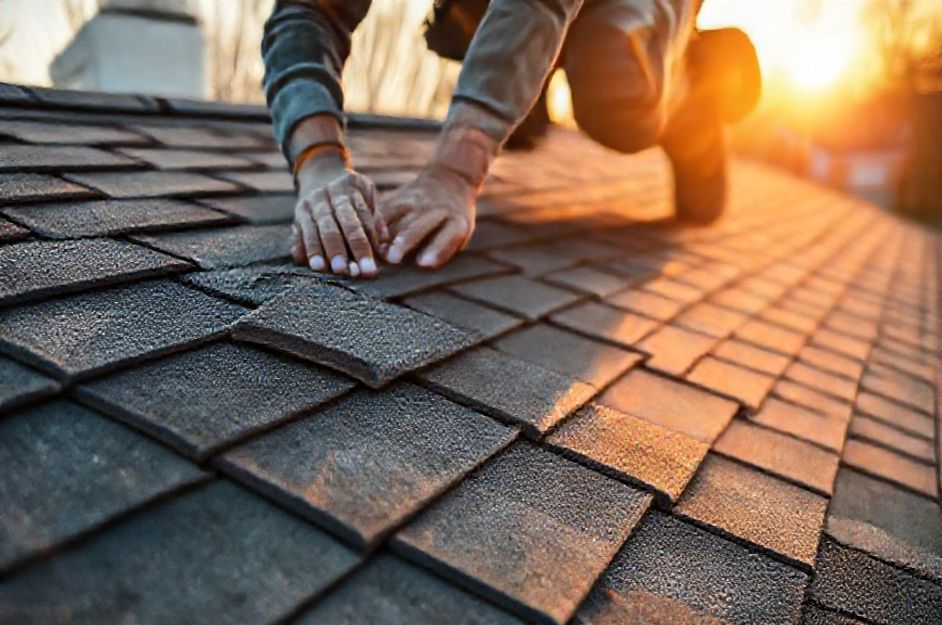
Roofing is a specialized trade focused on roof repair, replacement, and installation. Roofers ensure structures are both visually appealing and protected from the elements. These professionals adhere to strict building and fire codes, as well as architectural standards set by local and national regulations.
Like other skilled trades such as electricians and plumbers, roofing requires specialized knowledge and skills. Incorrectly installed roofs can pose significant safety hazards. A crucial aspect of the job involves repairing damaged wood and ensuring shingles are securely attached.
Roofing materials have evolved over time. While wood shingles were once common, concerns about fire and structural integrity have led to the widespread adoption of safer alternatives. Today, asphalt shingles (bitumen-soaked paper covered with aggregate) and ceramic tiles are favored for their durability and aesthetic qualities.
The installation process involves a systematic overlapping of shingles, typically secured with nails or tacks where the shingle meets the roof. Overlapping areas are generally not nailed to prevent damage and maintain a cleaner appearance. In some cases, particularly with ceramic tiles, heavy-bonding tar or paste is used for enhanced adhesion. Shingles are laid in rows, with each subsequent row overlapping the one below by approximately half the tile’s length. The roof’s top edge is then capped for a finished look.
Slate shingles are another roofing option, installed similarly to other types of shingles. Due to their weight, slate shingles are typically secured with adhesive paste or tar rather than nails.
Roofing demands precision, attention to detail, and physical stamina. It’s a meticulous and time-consuming process where both technical expertise and careful movement are essential for achieving a structurally sound and visually appealing roof.