
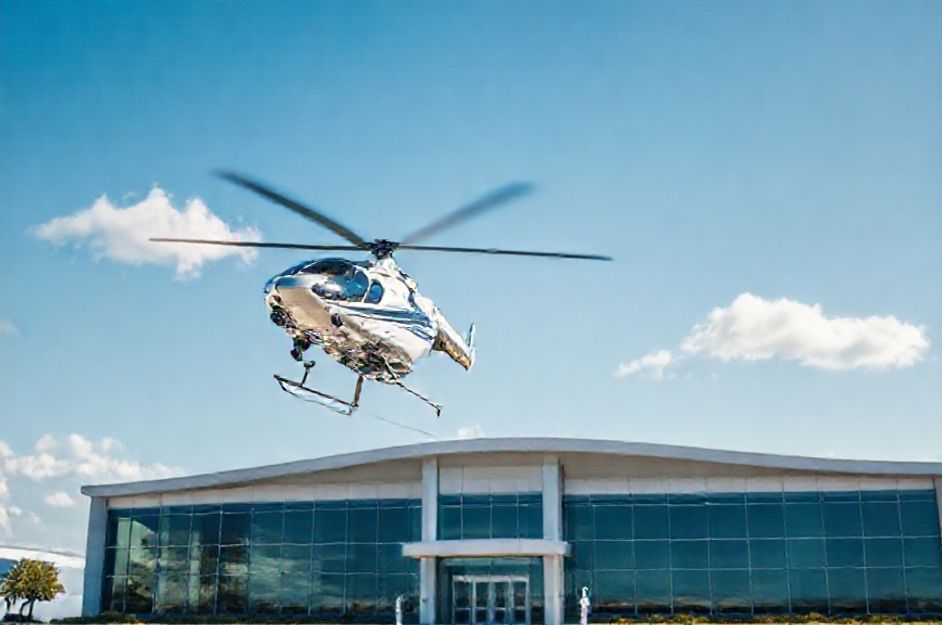
Embarking on a career as a helicopter pilot is a thrilling ambition for many. Flight training represents a significant investment, making the selection of the right flight school paramount. A thorough evaluation process is crucial to ensure you receive the best possible training. Begin by visiting potential schools, meeting with key personnel, and carefully inspecting the facilities and aircraft. Compile detailed notes and compare them against the school’s official information. Consider these key factors before making your final decision:
* **Helicopter Availability:** Opt for a school with multiple helicopters. A single-helicopter operation is prone to scheduling disruptions and lesson cancellations due to maintenance issues. A larger fleet ensures consistent training.
* **Instructor Satisfaction:** Engage in conversations with several instructors. Ask about their job satisfaction, their opinion of the management, and the condition of the helicopters. Pay close attention to their body language as they respond.
* **Billing Practices:** Clarify how flight time is charged. Does the clock start when the helicopter is activated or upon arrival at the school? Obtain a detailed rate sheet outlining charges for dual instruction, solo flights, and rental fees.
* **Pass/Fail Rate:** Inquire about the school’s historical pass/fail rate for pilot certification. This metric provides insight into the effectiveness of their training program.
* **Syllabus and FAA Approval:** Ensure the school provides a structured syllabus outlining lesson plans and required flight hours. Verify that the program is FAA Part 141 approved. Determine the total cost and number of hours needed to obtain your desired rating.
* **Insurance and Liability:** Confirm that the school’s insurance policy does not waive subrogation. Without this protection, you could be held liable for the full cost of the helicopter in the event of an accident during training. Factor in the cost of renter’s insurance when calculating the overall expense of training.
* **Maintenance Standards:** Prioritize schools with meticulous maintenance programs. This is a critical safety consideration. Request a test ride to assess the condition of the aircraft.
* **Ground School Availability:** Determine if the school offers a comprehensive ground school program. Clarify who is responsible for the costs of ground school and materials such as textbooks and plotters. Ascertain whether the school provides headsets or if you need to purchase your own (which can range from $300 to $1000).
* **Payment Options:** Understand the payment process. Is payment required in advance or in installments? Are there any discounts or bonuses for upfront payments?
* **Training Hours:** A private pilot certificate typically requires approximately 55 hours of flight time for experienced airplane pilots and around 65 hours for individuals with no prior flying experience. Be wary of schools that consistently require 90 to 100 hours, as this could indicate “overtraining” to generate additional revenue.
* **Student References:** Obtain references from at least two current students and two former students. Their insights will provide valuable perspectives on the school’s training program.
Seek out current and former students who have successfully completed their solo flights or passed their certification exams at the school. Their unbiased feedback will provide an honest and reliable assessment of the school before you commit to enrolling.