
Buying a used car is a significant decision, almost as important as buying a new one. With the increasing need for personal transportation, especially for commuting, a used car can be a financially sound choice, offering potential savings of 25% to 50% compared to a new vehicle. However, the condition of used cars varies greatly, making a thorough inspection crucial before making a purchase.
Prioritize checking the overall condition. Here’s a comprehensive checklist to guide you:
1. Exterior Examination:
* Paint: Look for inconsistencies in the paint, which might indicate prior repairs. Pay close attention to potential rust spots.
* Levelness: Ensure the car sits level. Sagging to one side suggests possible frame or suspension damage.
* Tires: Check that all tires are properly inflated and have adequate tread depth. Uneven wear can indicate alignment issues.
* Lights: Verify that all lights, including headlights, taillights, and turn signals, are functioning correctly.
* Other Components: Inspect disc brakes for wear, check the glass for cracks or chips, and examine wheel rims for damage.
2. Interior Assessment:
* Odor: Be aware of any unusual or unpleasant smells, which could signify mold or other problems.
* Controls: Test all interior controls, including the radio, windows, and mirrors, to ensure they function correctly.
* Seats: Check the condition of the seats and seat covers for wear and tear.
* Pedal Rubber: Examine the pedal rubber for excessive wear, which could indicate high mileage.
3. Air Conditioning:
* Verify that the air conditioning system cools the car effectively.
4. Trunk Inspection:
* Rust and Water Damage: Carefully inspect the trunk for any signs of rust or water intrusion, which can result from leaks.
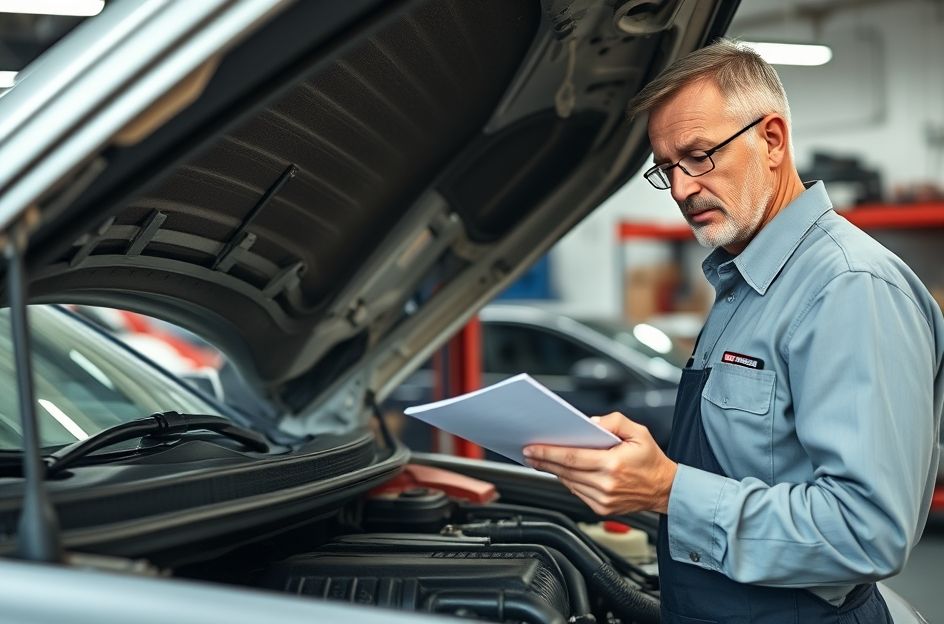
5. Under-the-Hood Inspection:
* Wiring: Check the wiring for any signs of damage or fraying.
* Fluids: Inspect fluid levels and check for leaks.
* Belts and Hoses: Examine belts and hoses for cracks or wear.
* Battery: Ensure the battery terminals are clean and free of corrosion.
* Radiator: Look for any signs of damage or leaks.
Test Drive: Before finalizing your decision, conduct a thorough test drive. This is essential for assessing the car’s performance, handling, and overall mechanical condition.