
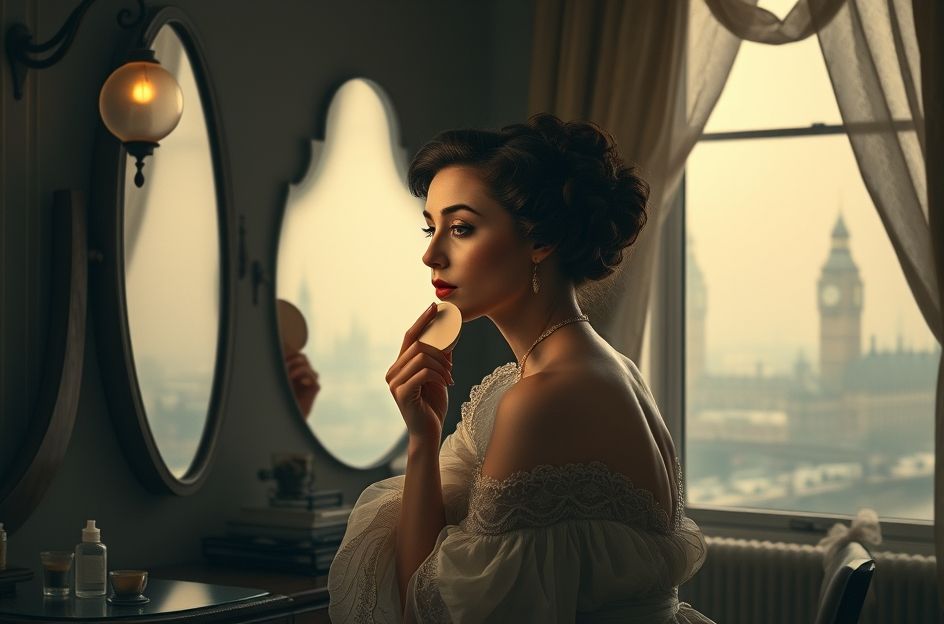
For centuries following the decline of the Egyptian empire, a pale complexion reigned supreme as the global beauty standard. A tanned face was associated with the working class, those who toiled in the fields under the sun. Upper-class women, shielded from manual labor, maintained their fair skin, which became a symbol of wealth and leisure. A pale complexion signaled that one had the financial means to avoid work. To achieve this desired look, women (and sometimes men) used a concoction of hydroxide, lead oxide, and carbonate in powder form to lighten their faces and bodies. Tragically, this practice often resulted in lead poisoning, sometimes with fatal consequences.
In the 19th century, chemists made a breakthrough with the discovery of zinc oxide. This compound, unlike its predecessors, allowed the skin to breathe and eliminated the risk of lead poisoning. Its effectiveness led to its widespread adoption by cosmetics manufacturers, and it remains a staple ingredient today.
During the Edwardian era in London, around 1900, affluent socialites engaged in extravagant parties and entertainment to showcase their wealth. As hostesses, they felt immense pressure to appear youthful and beautiful. However, their lifestyles, characterized by poor diets, lack of exercise, and exposure to heavily polluted urban air, took a toll on their skin. They relied on anti-aging creams and face creams to conceal blemishes and maintain a youthful appearance.
Beauty salons of the time operated discreetly. Women would often sneak into the back entrances, concealing their faces to avoid being seen. One prominent example was the House of Cyclax, owned by Mrs. Henning, which catered to women desperate to hide their age. Mrs. Henning developed and sold various creams and rouges to her clientele, who sought to maintain their youthful appearance in secret.