
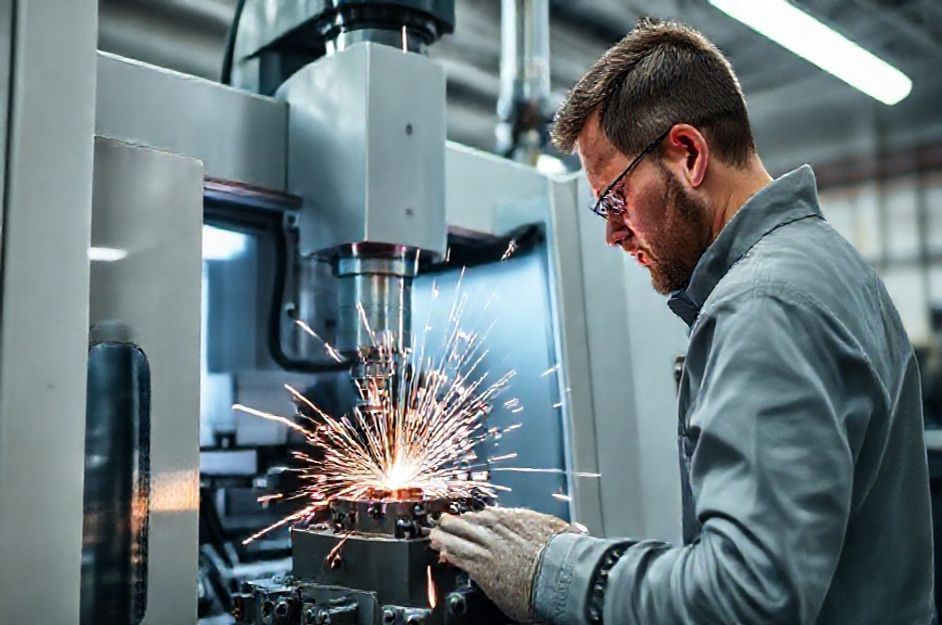
The UK’s precision engineering sector has faced significant challenges over the past three decades, yet it remains a vital component of the nation’s industrial landscape. While industries like automotive, shipbuilding, and large-scale manufacturing have experienced decline, precision engineering has adapted and evolved to maintain its position in the global market.
The pressure to survive has fostered a more competitive and streamlined industry. Companies prioritize resourcefulness, efficiency, and adaptability. Engineers now require proficiency in multiple disciplines, with continuous training becoming essential. Businesses optimize floor space, minimize costs, and shorten lead times, resulting in enhanced quality.
This heightened focus benefits customers, who can expect top-tier service. Machined Precision Components Ltd, located in Watton, Norfolk, exemplifies this resilience. According to Director Nick Overton, “Quality is paramount, but in a competitive market, pricing is crucial. Efficient operations are key to minimizing waste and ensuring accuracy from the outset.”
The continued strength of precision engineering is vital for the UK economy. It generates substantial income and employment, while also supporting various other sectors, including accountancy, haulage, power supply, tool suppliers, and office supplies.
Despite the challenges, UK precision engineering remains a powerful and competitive force.