
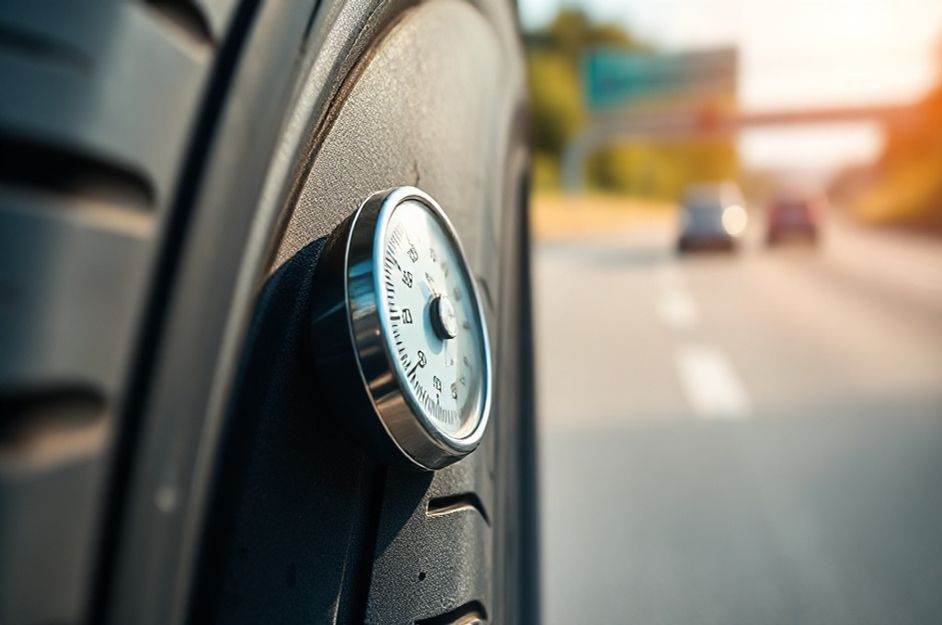
Maintaining your tires is a straightforward process crucial for road safety. The Rubber Manufacturers Association (RMA) advises incorporating a monthly tire check into your routine—a task that takes only about five minutes. Don’t forget to inspect your spare tire as well! It’s also wise to check your tires before embarking on any long journey.
Proper tire inflation is vital; underinflation can lead to tire failure. Refer to your vehicle’s owner’s manual to determine the correct tire pressure. Ensure your tires are cool when checking the pressure, as heat from driving can cause inaccurate readings. Avoid overfilling the tires.
Uneven tire wear can stem from front or rear wheel misalignment or faulty tire balance. Conduct a visual inspection monthly. If you notice uneven wear, consult a tire dealer for a professional assessment. Rapid tread wear can also indicate misalignment. While driving, misalignment may cause pulling or vibration. Regular tire rotation is recommended to combat irregular wear. Consult your tire dealer regarding misalignment, tire balance, and rotation issues. A general guideline is to rotate tires every 6,000 miles, but always consult your owner’s manual for specific recommendations.
Worn tires increase the risk of hydroplaning or skidding. Replace tires when the tread depth reaches 1/16 of an inch. At this point, tread wear indicators will appear, signaling the need for replacement.
To maintain tire condition and prevent premature wear, avoid driving over road debris, potholes, and curbs. Refrain from overloading your vehicle; consult your owner’s manual for maximum load specifications. Paying close attention to your tires is essential for your safety and that of your passengers. If you have any concerns or questions about your tires, seek advice from a qualified tire specialist.