
For businesses and individuals alike, managing inventory presents unique challenges. Retailers selling on platforms like eBay, in discount outlets, or at flea markets constantly seek high-quality products at competitive wholesale prices. Conversely, businesses or manufacturers facing surplus inventory or potential bankruptcy need reliable wholesalers to purchase entire stocklots efficiently.
Liquidation wholesalers bridge this gap, playing a crucial role for both buyers and sellers. They acquire large volumes of clearance items, bankrupt stock, surplus goods, overstock, and end-of-line products directly from businesses and manufacturers. These bulk purchases are then repackaged and resold in smaller, more manageable lots to a diverse clientele, including online merchants, garden centers, retail shops, market traders, and even individuals involved in car boot sales.
If you’re a business owner or individual seeking high-quality products at significantly reduced prices, partnering with a liquidation wholesaler is an excellent strategy. Here’s what to consider when navigating the liquidation market:
Variety of Products
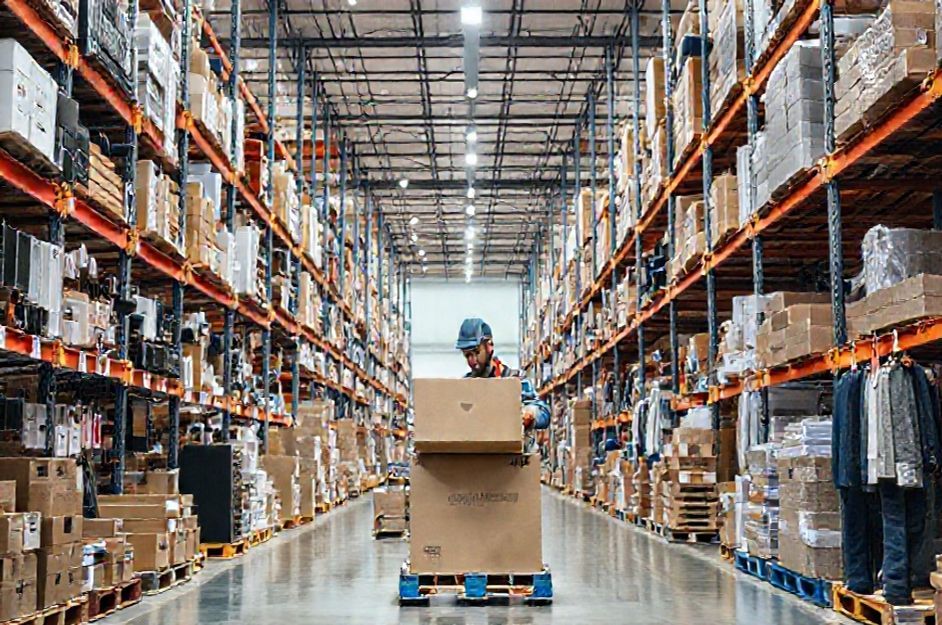
Liquidation wholesalers source their merchandise from diverse channels, including major importers, local and regional manufacturers, and businesses undergoing liquidation. This broad sourcing approach results in a vast array of product types, encompassing seasonal merchandise, jewelry, fashion accessories, tools, hardware, decorative items, pet supplies, automotive products, bathroom fixtures, and kitchenware. Essentially, almost any product found in a retail environment may eventually find its way to a liquidation warehouse.
Ever-Changing Inventory
The most successful liquidation wholesalers maintain a rapid turnover of stock. Their business model relies on quickly acquiring large lots, warehousing them efficiently, and selling and shipping them at a brisk pace. Consequently, the available wholesale inventory is constantly evolving. A particular product line, such as candles and candle holders, may be available one week but quickly disappear once sold. Therefore, frequent monitoring of liquidation wholesalers’ stock is essential. Ideally, collaborate with a wholesaler that provides a mailing list or email newsletter to keep you informed about special offers and newly arrived product lines.
Flexible Quantities
Contrary to the common misconception that purchases from liquidation wholesalers require buying entire pallets of a single product, many liquidators offer products by the case. This flexibility allows you to diversify your product offerings without committing to large quantities of a single item.
Exceptional Prices
Liquidation wholesalers secure their inventory at significantly reduced prices and are motivated to sell it rapidly. This enables them to offer exceptional bargains on high-value items. For example, you might find opportunities to purchase wallpaper borders from a renowned designer at incredibly low prices or acquire porcelain dolls at a fraction of their retail value.
Finding Wholesalers
Like many businesses, liquidation wholesalers are expanding their reach through the internet. While potential customers cannot physically browse showrooms due to the warehouse-based nature of the business, the internet provides an ideal platform for both liquidators and buyers. Online platforms facilitate the display of product images and enable seamless online transactions. After a transaction is finalized, the stock is shipped to the buyer, freeing up space for new inventory.
In conclusion, engaging with a wholesale liquidator offers a mutually beneficial solution for businesses seeking to sell excess stock and individuals or businesses looking to acquire merchandise for resale at discounted prices.