
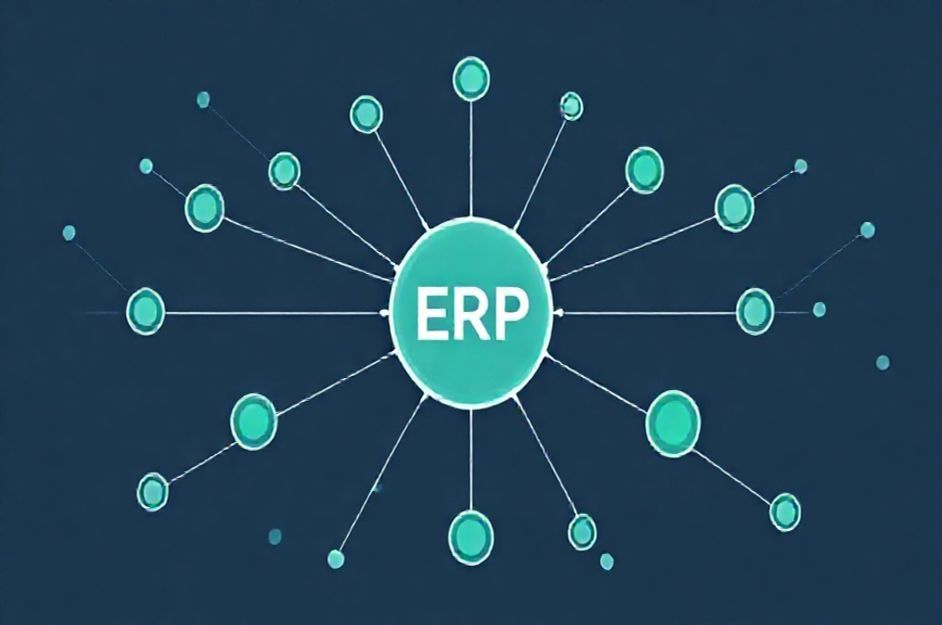
Enterprise Resource Planning (ERP) systems integrate diverse data sources and business processes into a unified platform. These systems, relying on both hardware and software, are typically adopted by large enterprises seeking comprehensive system integration. A central tenet of most ERP solutions is a unified database, which consolidates and stores essential information for all system modules.
**Key Components of a Successful ERP System**
Two primary components are vital for a successful ERP implementation. First, a common, unified database provides the ERP system with access to all necessary data, facilitating seamless operation across the enterprise. This allows for efficient information sharing in a reliable and accessible manner.
Second, a modular software design is crucial. This means the ERP system utilizes software components that can be added or removed as needed, optimizing the system’s overall efficiency and utility. While some vendors offer complete ERP software suites, many enterprises opt to integrate software from various providers to achieve maximum efficiency. Each modular application must seamlessly interface with the central database to ensure data can be readily shared.
**Where are ERP Systems Used?**
ERP systems are most beneficial in large organizations with substantial data flows. While small to medium-sized businesses may not require a full-scale ERP, large corporations like major banks, automotive manufacturers, and retail chains can significantly benefit from a well-designed system. Enterprises often segment their ERPs into smaller, focused units (e.g., manufacturing, finance, customer management) to enhance data sharing among relevant departments.
**ERP Design and Implementation**
Regardless of system size, all ERP implementations require careful planning and design. Smaller ERP systems may take months to prepare, while larger implementations can span a year or two. Larger corporations often engage ERP consulting firms, while smaller companies may utilize in-house teams to manage costs.
A critical step in any ERP implementation is data migration. This process, though often underestimated, involves six key phases: identifying essential data, planning the migration timeline, building data templates, freezing migration tools, defining data migration setups, and archiving necessary data.
**Advantages of ERP Systems**
The primary advantage of an ERP system is streamlined data transfer. Many ERP systems also bolster enterprise security with built-in safeguards. Additional benefits include reduced operational costs, improved customer service, and enhanced employee productivity.
**Disadvantages of ERP Systems**
A significant drawback of ERP systems is the cost, as design and implementation can be very expensive. Furthermore, despite their modularity, software customization options are often limited and may not perfectly align with specific business needs. Data quality is paramount; inaccurate data can degrade over time. Finally, ERP systems may be overly complex for businesses with highly fragmented departmental structures.