
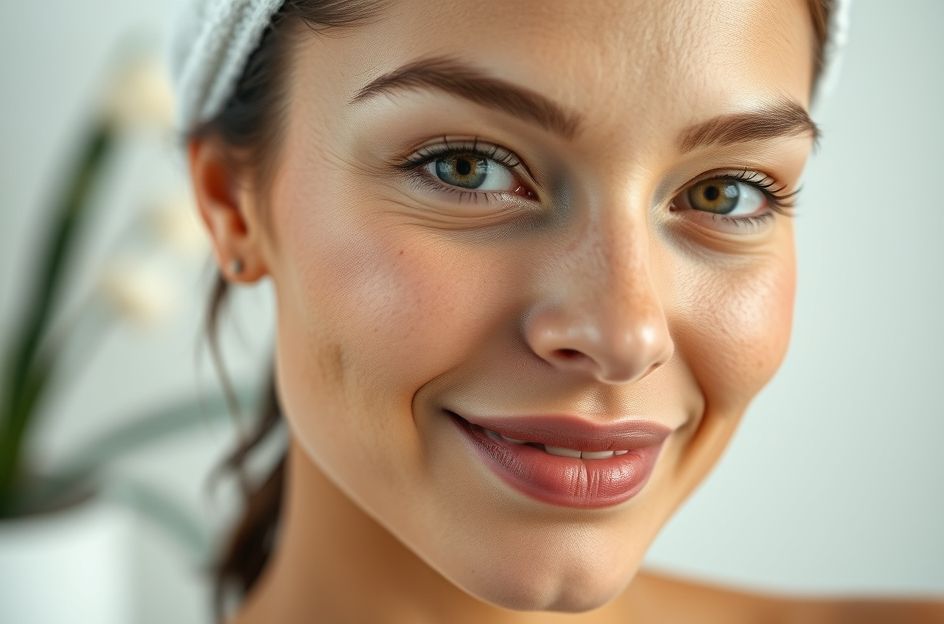
Acne is a common skin condition, particularly prevalent among teenagers and young adults. While the exact cause remains elusive, heredity is considered a significant contributing factor. Individuals with a family history of acne are more likely to develop it themselves.
Acne severity varies widely. It typically arises when skin ducts and oil glands become overactive. The duct lining sheds cells, which, when combined with excess oil, can clog pores. This blockage forms a comedo. A whitehead, or closed comedo, occurs when the plug remains beneath the skin’s surface. Conversely, a blackhead, or open comedo, develops when the plug pushes through the pore. The dark appearance of a blackhead is due to oxidation, not trapped dirt.
Don’t let acne dictate your life. Simple lifestyle adjustments can make a significant difference:
* **Hydration is Key:** Drinking sufficient water is a surprisingly effective acne treatment. Water helps flush out toxins and excess oil that can damage the skin and clog pores. Aim for at least eight glasses of water daily. Reducing your intake of diuretics like coffee, soda, and alcohol is also beneficial, as these can dehydrate your skin.
* **Avoid Astringents:** While astringents may temporarily shrink pores and reduce acne’s appearance, they can be detrimental long-term. They dry out the skin, prompting increased oil production and potential breakouts. Furthermore, shrinking pores can trap oil, exacerbating the problem.
* **Limit Stimulants:** Stimulants such as coffee, tea, cigarettes, and sugary foods can overstimulate oil glands, leading to increased oil production and potential acne flare-ups. They can also trigger stress, which negatively impacts skin health.
* **Diet Matters:** A healthy diet plays a vital role in managing acne. Minimize your intake of high-fat and greasy foods. Opt for low-fat alternatives to support clearer skin.
* **Moderate Alcohol Consumption:** While alcohol may seem like a stress reliever, it can worsen acne. It acts as an astringent, shrinking pores and potentially trapping oil. Alcohol can also disrupt sleep and increase stress levels, both detrimental to skin health.
* **Gentle Cleansing:** Avoid harsh scrubbing and abrasive soaps. These can irritate the skin and damage its natural protective barrier, making it more susceptible to acne-causing bacteria.
* **Sun Exposure in Moderation:** While sunlight can kill some bacteria, excessive sun exposure is harmful. It dries out the skin, tightens pores, and can lead to sunspots, freckles, and skin cancer. Aim for 15 minutes of sun exposure daily, and always wear sunscreen.
Numerous medications and creams target acne. However, adopting a healthy lifestyle remains the most effective and sustainable approach. The long-term benefits extend beyond clearer skin, encompassing improved overall health, increased energy levels, and a greater sense of well-being.