
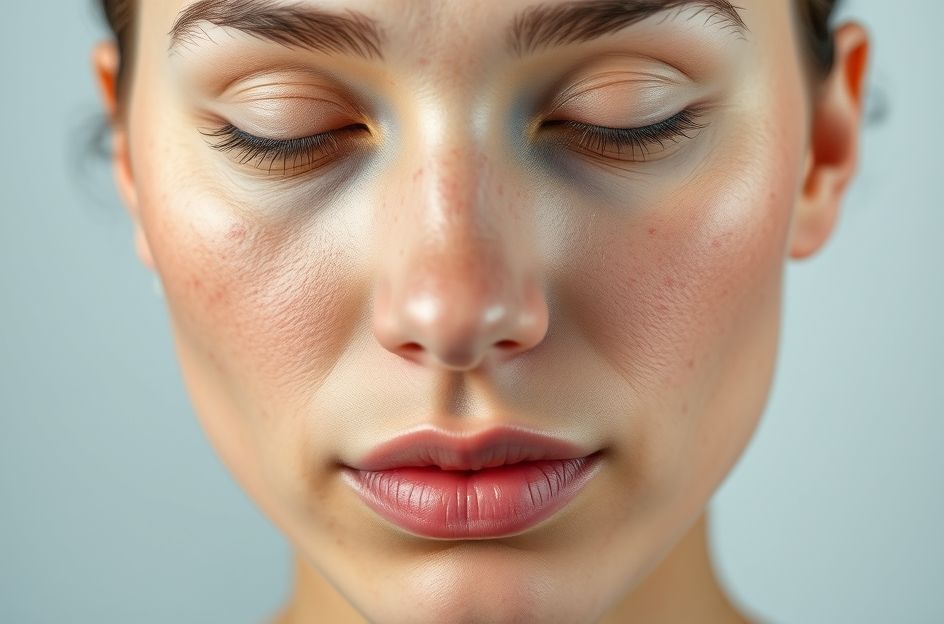
Acne is a common skin condition that affects many people. It’s often the source of frustration, and many misconceptions surround its causes and treatments. Let’s clarify some common beliefs about acne.
Fact: Acne is related to oil production.
One key factor in acne development is the oil secreted by sebaceous glands, present in the skin of all mammals. This oil, or sebum, contributes to the blockage of pores.
Fact: Blocked pores play a significant role in acne.
Acne arises when dead skin cells and excessive oil secretions clog pores. This blockage creates an environment where the bacterium Propionibacterium acnes can thrive. The body’s immune response to this bacterial overgrowth leads to inflammation, resulting in what we recognize as acne.
Fiction: Acne is caused by poor hygiene.
While cleanliness is important for overall skin health, acne isn’t simply a result of inadequate hygiene. The pore blockages that cause acne occur beneath the skin’s surface, so excessive washing won’t prevent them.
Fiction: Diet is a primary cause of acne.
While a healthy diet is beneficial, changing your diet to exclude oily foods is unlikely to significantly impact acne. Hormones, not dietary fats, primarily regulate oil secretions in the skin.
Fact: Hormonal fluctuations can trigger acne.
Hormones play a significant role in acne development, making hormonal changes, such as those during puberty, a common trigger. These hormonal shifts can lead to increased oil production and other factors that contribute to acne.
Fact: Certain medications can contribute to acne.
Some medications and chemicals can trigger or worsen acne. These include anabolic steroids, medications containing halogens, and exposure to high levels of chlorine compounds. If you suspect a medication is affecting your skin, consult your doctor.