
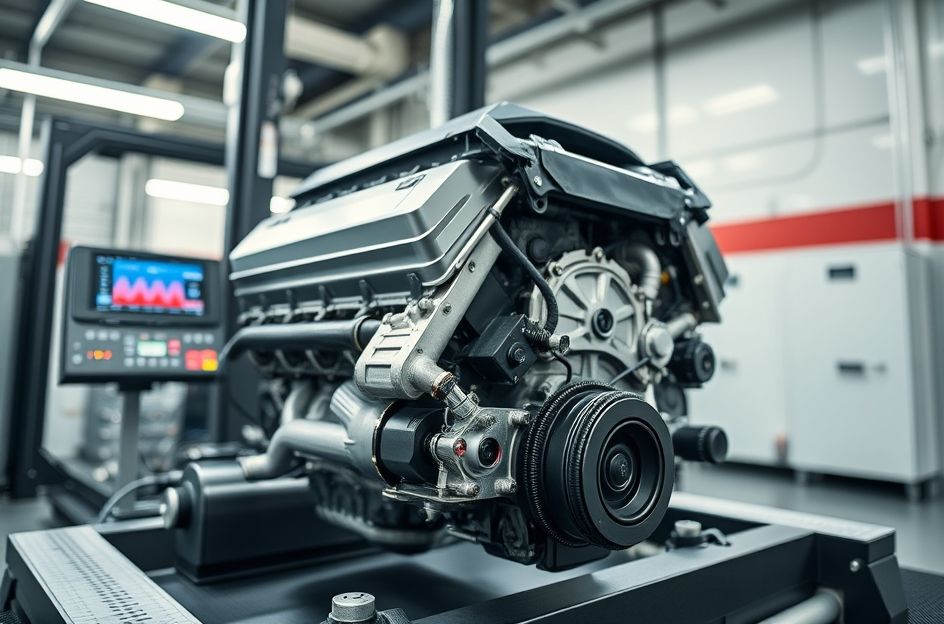
After completing your dynamometer tests, a thorough analysis of the data is crucial. If you’re using a manual recording system, begin by calculating and converting torque and RPM readings into horsepower figures. For electronic data collection systems, print the data for closer examination.
With computer-equipped dynamometers, name your new data file and input all relevant test run information. Modern dynamometer software allows you to input a wide range of parameters, creating a structured database for easy access to critical information. If your system lacks weather sensors, record ambient conditions immediately after the tests.
Selecting the appropriate output report format is essential for effective data review. Focus on data gathered during periods of stable engine RPM, typically lasting several consecutive seconds, and discard any information collected during rapid RPM fluctuations.
Data averaging is another critical step. Averaging helps to smooth out inertial errors and reveal underlying trends and valuable insights.
Anomalies in your results may indicate issues with tachometer pulse settings. Lower-than-expected horsepower could stem from a partially closed throttle during the test or exhaust recirculation into the intake system. In such cases, repeat the test using the same procedures, ensuring all parameters are correctly set and functioning. Remember to properly warm up the engine before testing.
During the subsequent run, prioritize repeatability over significant parameter adjustments. This approach evaluates the consistency of your procedures and the engine’s stability, as the dynamometer setup remains unchanged. When pursuing marginal performance gains, retesting the engine in its baseline configuration is highly recommended. This real-time check can save significant time during more extensive test runs.