
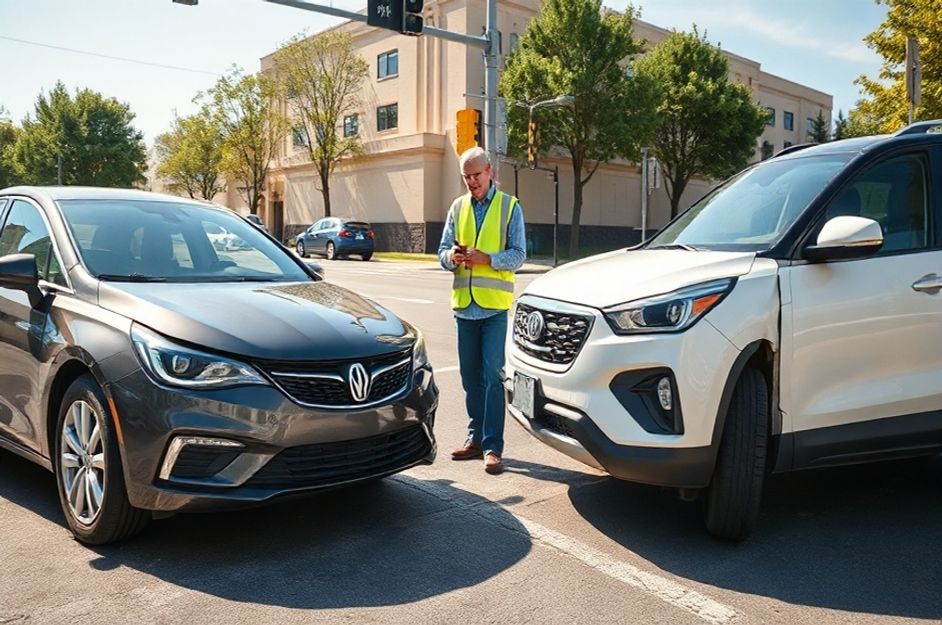
Car accidents can happen at any time, regardless of how carefully you drive. Even a momentary lapse in attention can lead to a collision, sometimes even near your own home. Knowing how to react in the aftermath of a traffic accident is crucial.
The Consumer Protection Association of America continuously develops guidelines to help drivers prepare for and manage traffic accidents. Their aim is to increase public awareness regarding traffic safety. Dr. Ray Bruce, the association’s president, emphasizes that these tips can significantly impact your safety, the well-being of your passengers, and your access to transportation while your car is being repaired.
It’s wise to keep an emergency kit in your car’s glove compartment. Essential items include a charged cellular phone, a pen, paper, and a camera (or utilize your phone’s camera). These tools will enable you to document important details at the accident scene. Also, include a card with information about any medical allergies or conditions that may require special attention from first responders. In your car’s trunk, carry cones, warning triangles, and emergency flares to alert other drivers.
If the accident is minor and there are no serious injuries, move the vehicles to a safe location, away from the flow of traffic. Leaving the cars in the road can obstruct traffic and increase the risk of further accidents. However, if the vehicles cannot be moved, activate hazard lights and deploy cones, flares, or warning triangles to warn approaching motorists.
Exchange pertinent information with all parties involved in the accident. This includes full names, addresses, phone numbers, insurance company details, policy numbers, driver’s license numbers, and license plate numbers. Additionally, record the details of each vehicle involved – year, make, model, and color. Be sure to document the exact location of the collision and a clear description of how the accident occurred.