
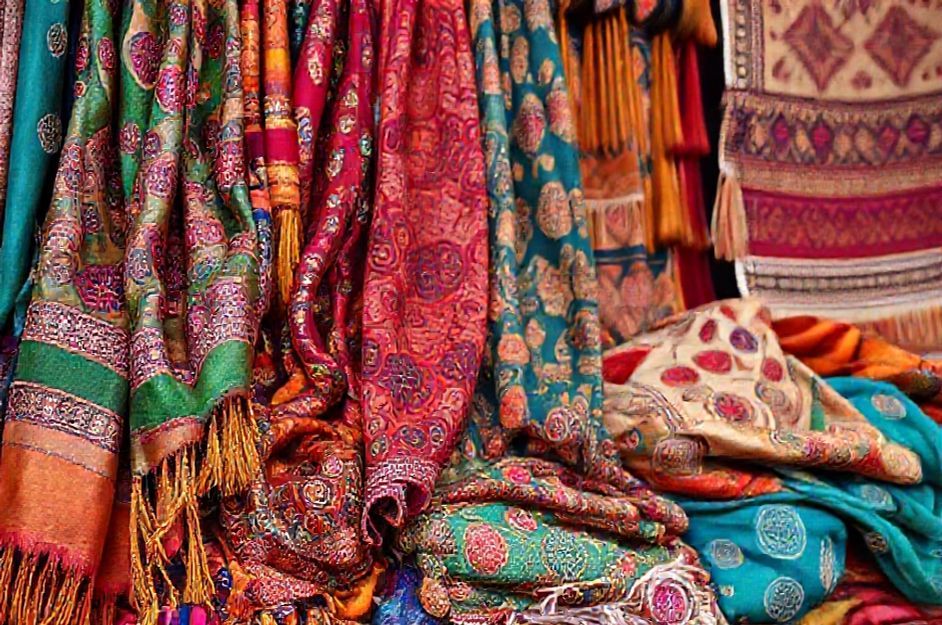
India boasts one of the world’s oldest and most vibrant textile traditions, dating back to the Indus Valley Civilization. Archaeological evidence, including cotton fragments discovered in Gujarat and Egyptian tombs, supports this ancient heritage. Throughout history, ancient Indian texts have referenced the significance of textile crafts, which were also exported to various countries from very early times. The Vijayanagar Empire (AD 1504) further highlights the importance of textiles as a key trade commodity. Indian geography, climate, social customs, and readily available raw materials have all played a vital role in shaping the unique art of Indian textile production.
Today, Indian textiles continue to captivate the global market with their extensive range, variety, and competitive prices. They represent a harmonious blend of India’s splendid past and the demands of modern aesthetics. Several factors have contributed to the enduring success of the Indian textile tradition.
Beyond mass production, textiles serve as a foundation for delicate crafts, ranging from dressmaking and embroidery to knitting. These crafts are driven by a passion for fashion and the creation of diverse items, including clothing, home furnishings, and works of art. Skilled artisans employ various techniques to create exquisite crafts from cloth. Modern textile crafts encompass a wide array of techniques, including crochet, lacemaking, patchwork, rug making, spinning, weaving, tapestry, batik, and tie-dyeing.