
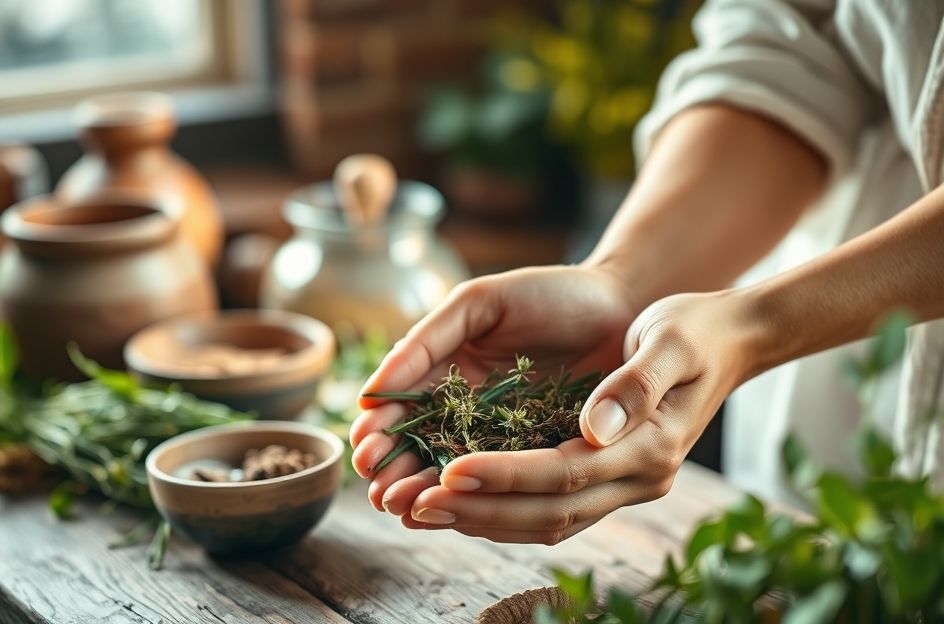
For centuries, before modern medicine’s dominance, people relied on folk medicine practitioners – often figures resembling wise elders rather than today’s doctors. These individuals held a revered position, possessing a deep understanding of healing practices passed down through generations.
In earlier times, access to formal medical care was limited, making skilled physicians a privilege reserved for the wealthy. The majority depended on local healers, respected for their knowledge of traditional remedies. They addressed a wide range of ailments, from common infections to serious diseases, using methods honed through observation and experience.
Remarkably, many of these traditional treatments proved effective, and some are now being recognized and integrated into mainstream medicine. Think of remedies passed down through your family – wild cherry bark for coughs, red cedar infusions for colds – these are examples of folk medicine, knowledge shared informally and refined over time.
Folk medicine encompasses treatments for various conditions, utilizing natural ingredients like herbs, roots, bark, fruits, and even insects. Practitioners possessed a detailed understanding of botany and the natural world.
However, the rise of modern medicine led to a decline in folk practices, with many being dismissed as unscientific. The spread of misleading claims and fraudulent healers further eroded public trust, pushing folk medicine into disrepute.
Yet, there’s a growing recognition of the valuable knowledge within traditional folk medicine. With increasing interest in holistic approaches to health, there’s a renewed appreciation for these ancient practices. Indigenous folk medicine, in particular, is gaining popularity.
Examples of folk medicine still used today include garlic for cholesterol reduction, Chinese acupuncture for blood clotting and migraines, neem leaf juice for malaria, poultices for wound treatment, and turmeric for insect stings.
Today, a significant portion of the world’s population continues to rely on folk medicine, whether due to limited access to modern healthcare, personal preference, or perceived effectiveness. Folk medicine offers a rich history of natural remedies and a valuable perspective on health and well-being.