
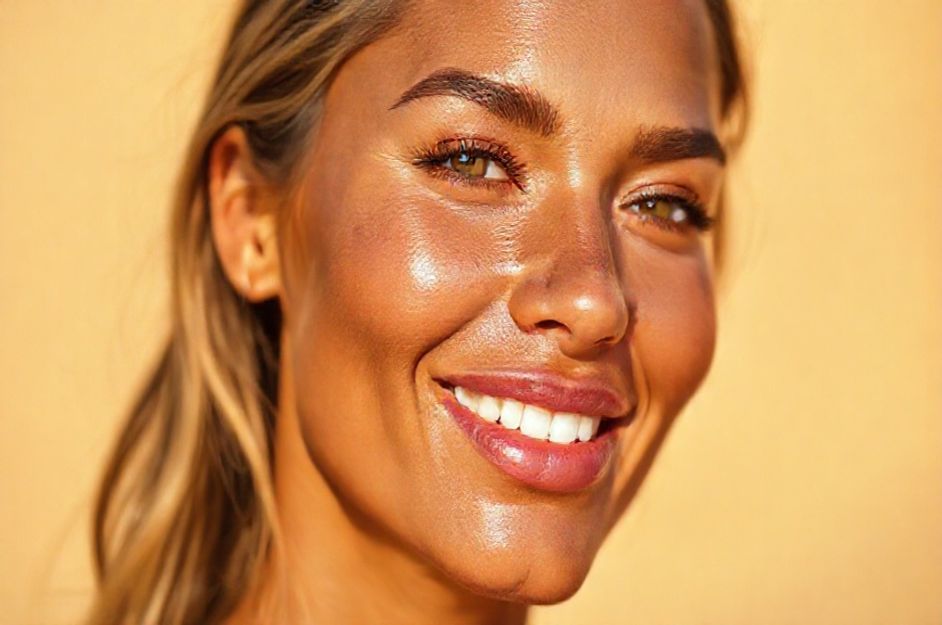
While sun tanning often gets a bad rap for contributing to skin aging, there’s a surprising benefit. During sun exposure, the body activates one of the most potent antioxidants known. Antioxidants, also known as free radical scavengers, combat the damaging effects of free radicals – unstable molecules that accelerate skin aging. These free radicals are byproducts of metabolism. Vitamin E is a well-known and highly effective antioxidant, but melanin, the dark pigment responsible for tanning, also possesses remarkable antioxidant properties. Melanin’s ability to neutralize free radicals makes it a valuable ingredient in cosmetic products.
Cosmetic formulations utilize two main types of melanin: natural and synthetic. Natural melanin is derived from sources like black sheep’s wool or the glands of octopuses and squids. Its smaller particle size allows it to penetrate deeper into the skin, making it more effective. It’s often found in high-end self-tanners and specialized tanning products. However, natural melanin is expensive to extract. Synthetic melanin, created through biochemical reactions, is a cheaper but less effective alternative. Due to its larger particle size, it primarily works on the skin’s surface. Biosynthetic melanin, produced by plants and certain bacteria, is under development and aims to combine the effectiveness of natural melanin with the cost-effectiveness of synthetic melanin.
Melanin, produced in the skin upon UV exposure, works with skin thickening as a natural defense against UV radiation. In cosmetic products, even those with SPF, melanin primarily functions as a free radical scavenger. It’s effective even at low concentrations (0.05-1%), neutralizing up to 80% of free radicals. When combined with vitamin E, its effectiveness increases further. Higher concentrations of melanin (above 1%) are avoided in cosmetics due to the dark coloration it imparts, which consumers may find undesirable.