
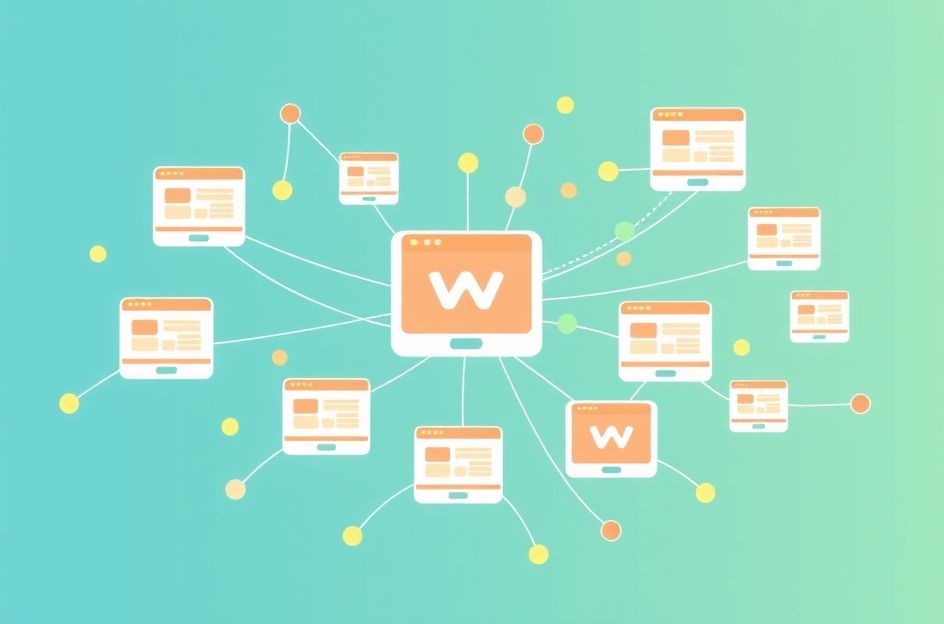
Bloggers often dedicate significant time and effort to acquiring backlinks from other blogs. This strategy can be highly effective for driving traffic, especially when targeting blogs relevant to your niche and those with a substantial readership.
However, new bloggers frequently face challenges in attracting the attention of larger, more established blogs due to a lack of readership and domain authority.
A valuable approach is to connect with fellow bloggers who are in a similar stage of development. Cultivating these relationships can lead to mutually beneficial link exchanges. As both blogs grow, the value of these links will increase.
Many readers discover new blogs through recommendations from those they already follow. If someone visits a blog you’ve partnered with and appreciates their content, they may follow a link to your site. If your content resonates with them, they’re likely to add you to their reading list. The same applies in reverse for the blog you’re linking to.
Before long, both your blogs can become part of a reader’s regular rotation. By engaging with more blogs in this way, you’ll gradually expand your reach and influence.
While domain authority is important, don’t fixate on it. Many established blogs with high domain authority are hesitant to link to newer blogs until they demonstrate a consistent commitment to content creation. This isn’t necessarily arrogance, but a practical consideration.
The reality is that while many people start blogs, few truly commit to the daily grind of blogging. Established blogs prefer to link to sites that demonstrate a long-term dedication to producing valuable content. Linking to a blog that might disappear within a month is a disservice to their audience and creates unnecessary work for the established blogger.
If an established blogger sees that you’ve been consistently posting high-quality content for at least six months, they may be more inclined to offer a helping hand and welcome you into the blogging community.
Prioritize daily posting, even if it means creating shorter posts on busy days. If you anticipate being unable to post for several days, schedule posts in advance. Platforms like WordPress allow you to timestamp posts, ensuring a steady stream of fresh content for your readers.
Another helpful strategy is to create content in advance. When you have multiple blog post ideas, schedule the extras for future days, especially if you struggle with daily posting. Aim to stay two or three days ahead, so you have a buffer in case you miss a day.
If you’re using a blogging platform without a timestamp feature, save extra posts as drafts. Then, when you have a limited amount of time, you can quickly log in and publish a pre-written post. If you happen to find time to write a new post, leave the drafts untouched until you need them.
Don’t be discouraged if you don’t receive immediate backlinks from everyone. If you consistently publish valuable content, you may find that they link to you organically, even before you ask!