
A recent national poll conducted by PACWEST Communications reveals strong American support for accessing domestic oil and gas resources, particularly within the Arctic National Wildlife Refuge (ANWR). The survey indicates that nearly 60% of respondents favor oil production in ANWR, especially as gasoline prices climb due to crude oil reaching $75 per barrel.
Paul Phillips, President of PACWEST, emphasizes the significance of these results, suggesting Congress should reconsider previous failed attempts to legislate the opening of ANWR’s oil and gas reserves. He argues that lawmakers should be more responsive to the public’s energy needs.
Historically, environmental lobbies have successfully opposed ANWR development, citing environmental concerns. However, Phillips points out a seeming contradiction, referencing the Clinton administration’s past proposal for oil production in another area of Alaska’s North Slope.
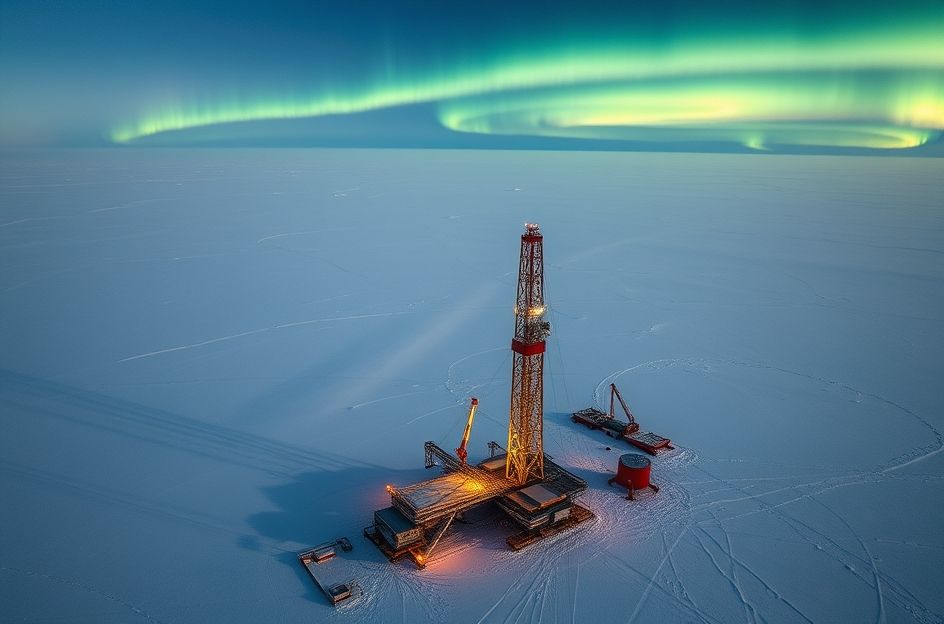
A 1999 Department of Energy report under President Clinton, titled “Environmental Benefits of Advanced Oil and Gas Exploration and Production Technology,” highlighted advanced technologies that minimize environmental impact. These include ice road construction, which disappears with the Arctic summer, and directional drilling, enabling multiple wells from a single site. Such techniques would limit the physical footprint of oil and gas production to just 2,000 acres of ANWR’s total 19.5 million acres.
Phillips believes that a Congressional decision to open ANWR could immediately impact oil prices, even before actual production begins. He explains that oil prices are heavily influenced by speculation about future shortages. Therefore, any action that alleviates these concerns could significantly lower prices.
The U.S. Department of Energy estimates that ANWR could contain up to 16 billion barrels of oil, equivalent to 30 years of U.S. imports from Saudi Arabia. Peak production is projected to reach approximately 1.5 million barrels per day, representing about 7.5% of the nation’s daily consumption—a quantity that experts believe could impact global oil prices.