
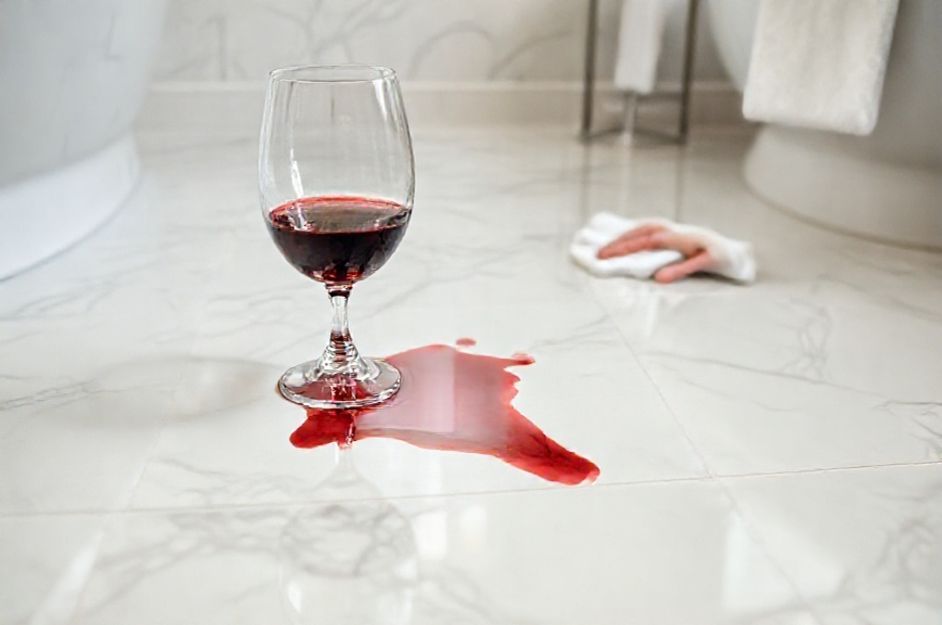
Marble tiles, celebrated for their elegance in architecture, furniture, and art, demand careful maintenance to preserve their beauty. Being porous, marble is susceptible to stains and etching from acidic substances. Immediate cleanup of spills is crucial, similar to caring for wood surfaces. Avoid placing beverage glasses directly on marble to prevent ring marks.
To prevent stains and dirt from penetrating the porous surface, sealing marble with a quality sealant is essential. Acids can severely damage marble by etching its surface, while alkaline solutions can erode the surface, leaving it rough. Properly sealed marble tiles can be maintained with regular damp-mopping. For stubborn dirt, use a mild detergent solution, rinse thoroughly, and promptly address any stains.
**Effective Stain Removal Techniques**
For stain removal, use an absorbent material like a paper towel. Saturate it with a recommended chemical solvent specific to the stain type. Create a paste by mixing the solvent with whiting powder and apply it to the stain. Cover the area with plastic wrap, secured with masking tape, to maintain moisture. Depending on the stain’s age and severity, leave the poultice on for 1 to 48 hours. Prepare a fresh batch for each application.
* **Acid Stains:** Immediately wipe up spills from fruit juice, carbonated drinks, or other acids with a damp cloth to prevent etching. Polishing may be necessary if etching occurs.
* **Oil Stains:** For oil-based stains like butter or hand lotion, apply an absorbent powder such as whiting or cornstarch. After a few hours, brush off the powder and reapply. Let it sit for 24 hours, then scrub with a hot detergent solution and a stiff brush or wipe with an ammonia-dampened cloth. Rinse and dry thoroughly. If the stain persists, use a solvent like acetone or amyl acetate, ensuring proper ventilation and avoiding sparks or flames.
* **Organic Stains:** Remove stains from tea, coffee, or colored liquids using a cloth soaked in a 20% peroxide solution (hair bleaching strength) with a few drops of ammonia.
* **Rust Stains:** Address rust stains from metal objects with a commercial rust stain remover. Follow the product instructions carefully and avoid prolonged exposure to prevent etching from the remover’s acidity.
**General Marble Tile Maintenance**
For routine care, regularly dust mop interior marble floors with a clean, untreated dry dust mop. Sand, dirt, and grit are particularly damaging due to their abrasive nature. Using mats or area rugs at entrances minimizes the amount of abrasive particles that can scratch the stone floor. Ensure that the underside of these mats or rugs has a non-slip surface for safety.