
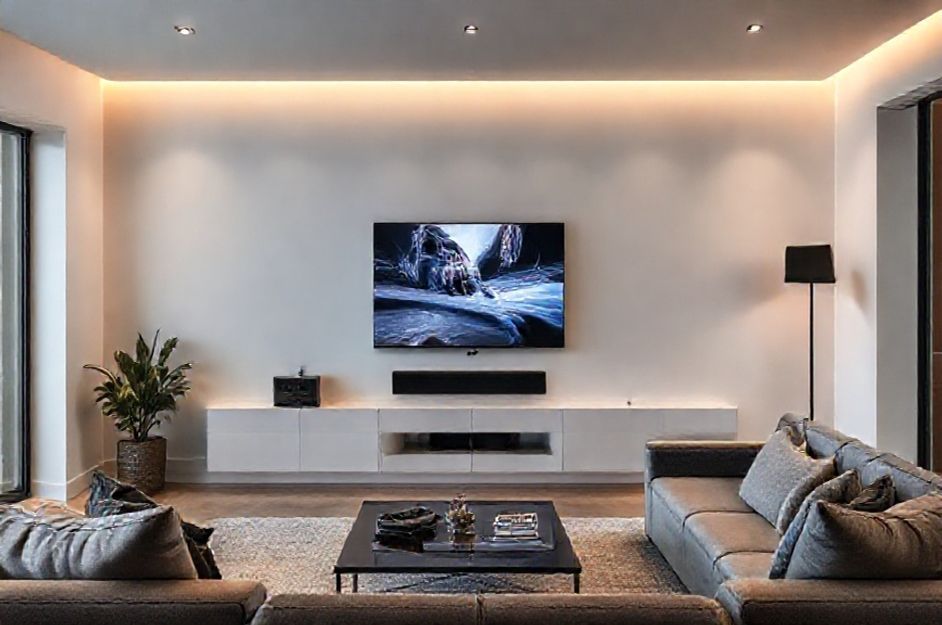
The digital revolution has transformed home entertainment. While digital equipment may represent a larger initial investment, its superior quality makes it a worthwhile upgrade. A key consideration when embracing digital technology is the entertainment center designed to house it all. A modern digital entertainment center consolidates your digital devices into a single, accessible unit, often controllable via a remote. This integration allows for seamless access to music, movies, home videos, and photos from one central hub.
Many modern digital entertainment centers function as media centers for TVs or projectors, providing a centralized point for all media functions. Connectivity is versatile, supporting various devices through DVI, component video, VGA, S-Video, and composite video connections.
A digital entertainment center offers a range of functionalities from a single device. Users can pause, rewind, and record TV programs from cable, digital cable, satellite, or over-the-air broadcasts using a personal video recorder. Photo transfer from cameras is also simplified. Advanced entertainment centers even allow for simultaneous operations, such as watching TV in one room while playing music in another, or recording a favorite program while burning it onto a DVD.
One of the most appealing aspects of digital entertainment centers is their ability to perform multiple tasks concurrently while enhancing media output quality. Their compact design saves space compared to traditional entertainment centers, seamlessly integrating into any home décor, regardless of size.
While televisions are available in various sizes, from corner stand models to comprehensive home theater systems, accommodating a big screen entertainment center requires careful planning. Begin by listing all necessary components, including the TV, VCR or DVD player, stereo system, and gaming console.
Due to the diverse range of components and their respective sizes, big screen entertainment centers typically occupy a significant amount of space, often requiring alignment against a wall. These solutions also provide storage for books and even accommodate a computer, making them a central hub for relaxation and recreation for the entire family.
The placement of the entertainment center can dictate the room’s overall layout, serving as an anchor around which other furniture, such as sofas, are arranged. The entertainment center and surrounding furniture should complement the room’s décor and color scheme.
Contemporary and traditional designs allow TVs, DVD players, PCs, and other peripherals to blend harmoniously with each other and the room’s aesthetics.
While television remains a core element of big screen entertainment, integrating a PC allows for downloading music and videos. To enhance the theater experience, consider connecting surround-sound speaker systems, carefully positioning them to optimize sound quality.