
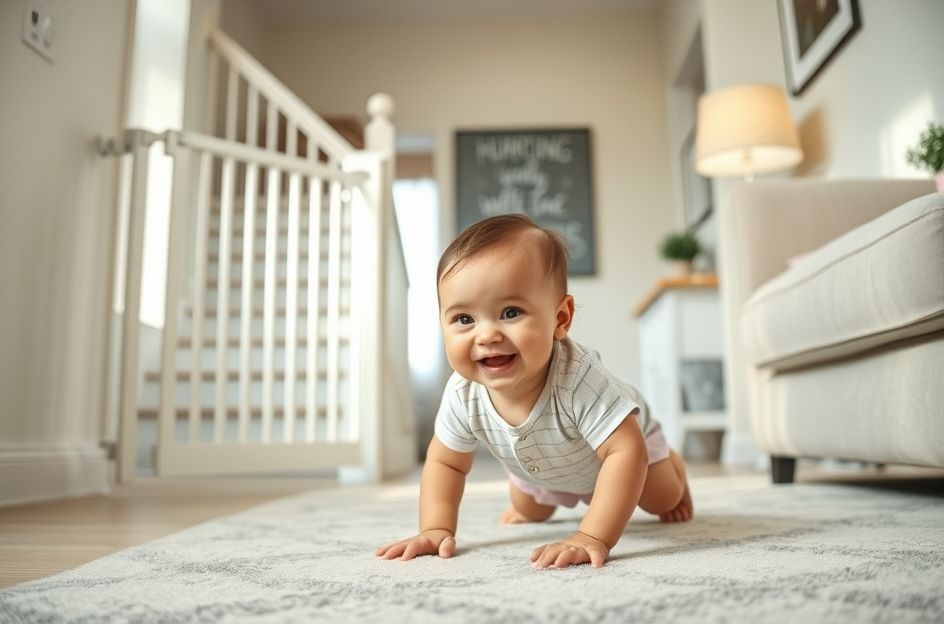
Ensuring your baby’s safety is paramount. Overlooking potential hazards is easy, so a comprehensive approach to baby-proofing is crucial. A great method is to experience your home from your child’s perspective. Crawl around on your hands and knees to identify dangers you might miss standing up. Check for accessible electrical outlets, dangling cords, sharp furniture corners, and reachable valuables.
Any situation that poses a risk to your baby is hazardous, especially choking or breathing obstruction. Preventable injuries are also major concerns. Never leave your baby unattended if possible, as they are surprisingly quick. Secure all valuables and breakable items out of reach. Remove anything small enough to fit in their mouth, using a toilet paper roll as a gauge – if it fits inside, it’s a choking hazard.
Baby safety gates are essential for doorways and staircases, preventing access to kitchens, bathrooms, and dangerous falls. Ensure the gate’s mesh or holes are small enough to prevent climbing. Opt for hands-free or one-handed operation and vertical bar designs. Electric outlet covers act as plastic plugs, while outlet lock plates require a plug to be inserted and turned to function.
Motion alarms on doors and windows can alert you to unexpected exits, as children are known to open windows and doors. Some windows have mechanisms to limit opening to a few inches. A wide range of baby-proofing products is available at reasonable prices, including motion sensors, corner cushions, outlet covers, cabinet locks, and cord retractors. Netting can prevent babies from getting between banister posts.
Baby-proofing checklists are available online and from pediatricians. In the nursery, keep the crib away from windows and blind cords. Use outlet protectors, dress babies in sleepers instead of blankets, and lower the mattress as they learn to sit. Avoid placing stuffed animals or pillows in the crib to prevent suffocation. In the kitchen, store cleaners and chemicals out of reach, secure drawers and cabinet doors, turn pot handles toward the back of the stove, and avoid dangling cords. Ideally, keep your baby out of the kitchen while cooking. When baby-proofing your car, ensure the car seat is correctly installed and appropriate for your baby’s age and weight. Remove any loose items that could become projectiles during sudden stops or accidents and place them securely in the trunk.