
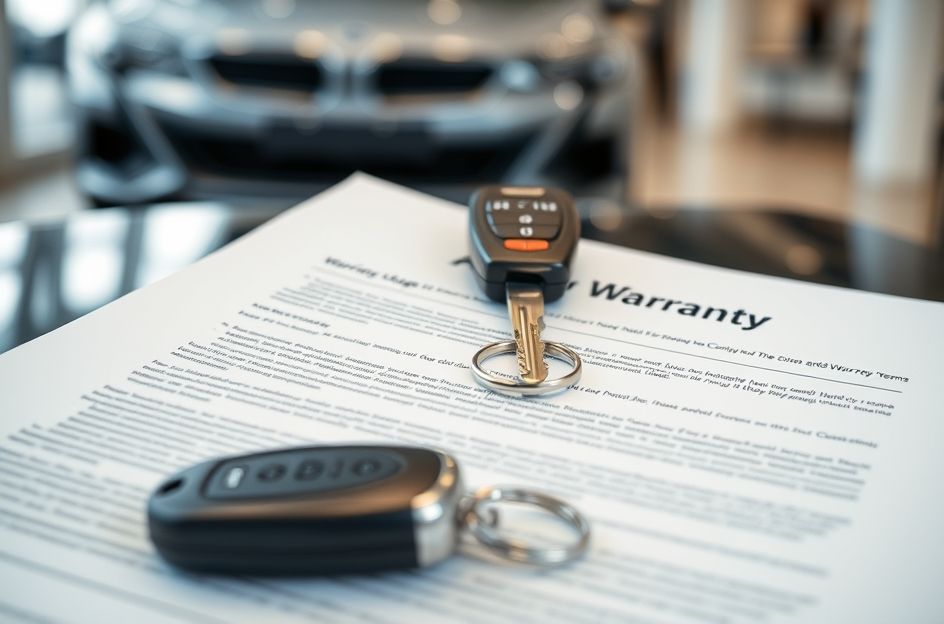
Understanding your auto warranty is crucial when purchasing a vehicle. Not all warranties are created equal, with coverage ranging from basic (covering non-wear items for a limited time) to comprehensive (lasting up to 10 years or 100,000 miles). The extent of coverage significantly influences the decision to purchase an extended warranty.
A typical new car warranty consists of two main parts: a ‘bumper-to-bumper’ warranty, which excludes wear items like brakes and tires, and a ‘powertrain’ warranty, covering essential components like the engine and transmission.
Extended warranty plans vary widely. Carefully review the contract to understand what’s covered and, more importantly, what’s excluded. A contract listing only a few exclusions offers broader protection than one listing numerous covered items. Consider your vehicle’s history and anticipated maintenance needs when evaluating coverage.
Some extended warranties cover parts that break or wear out. Clarify the contract terms regarding wear and tear to avoid unexpected costs.
Extended warranties prolong bumper-to-bumper coverage. Dealership-sold warranties, often called ‘factory warranties,’ ensure repairs are performed by factory-trained technicians. ‘Third-party’ warranties can be more affordable but may require upfront payment for repairs, followed by reimbursement. Carefully weigh the pros and cons of each option.
Thoroughly reviewing your auto warranty before purchasing a vehicle can prevent future headaches and save you money.