
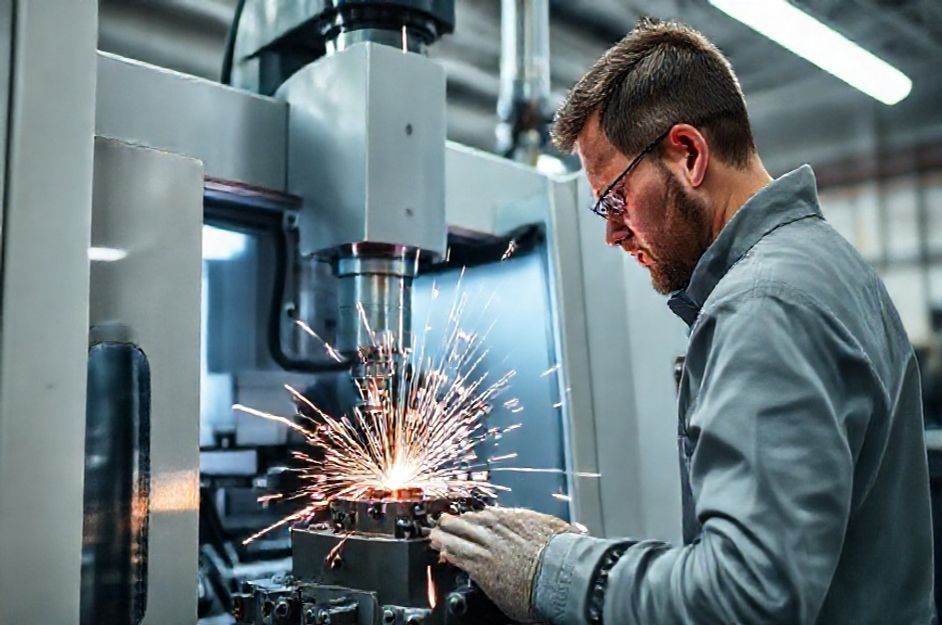
The UK’s precision engineering sector has faced significant challenges over the past three decades. Despite setbacks impacting various engineering domains like automotive, shipbuilding, and large-scale manufacturing, precision engineering has demonstrated remarkable resilience and remains a cornerstone of the British economy.
The decline of major industries led to the disappearance of prominent companies and economic hardship for regions heavily reliant on them. While alternative employment opportunities have emerged, the specialized skills and knowledge lost during this period are difficult to replace. However, UK precision engineering has adapted to survive.
Intense competitive pressures have driven the industry to become leaner, more efficient, and globally competitive. Surviving companies prioritize resourcefulness, optimizing labor, machinery, and workspace. Versatility is paramount; engineers now require proficiency in multiple disciplines, necessitating continuous training. Rising land costs demand efficient workshop layouts. To remain competitive prices have been trimmed, lead times shortened, and quality has vastly improved.
The industry’s heightened focus benefits customers, who receive top-tier service. Machined Precision Components Ltd, based in Watton, Norfolk, is one such company thriving in this environment. According to Director Nick Overton, quality remains paramount, but competitive pricing is crucial. The company prioritizes efficiency and waste reduction to ensure customer satisfaction.
The ongoing vibrancy of precision engineering is vital to the UK economy. Beyond direct income and employment, it supports numerous ancillary sectors, including accountancy, haulage, power supply, tool suppliers, and office supplies. Despite the challenges, UK precision engineering remains a significant global force, driven by innovation and adaptability.