
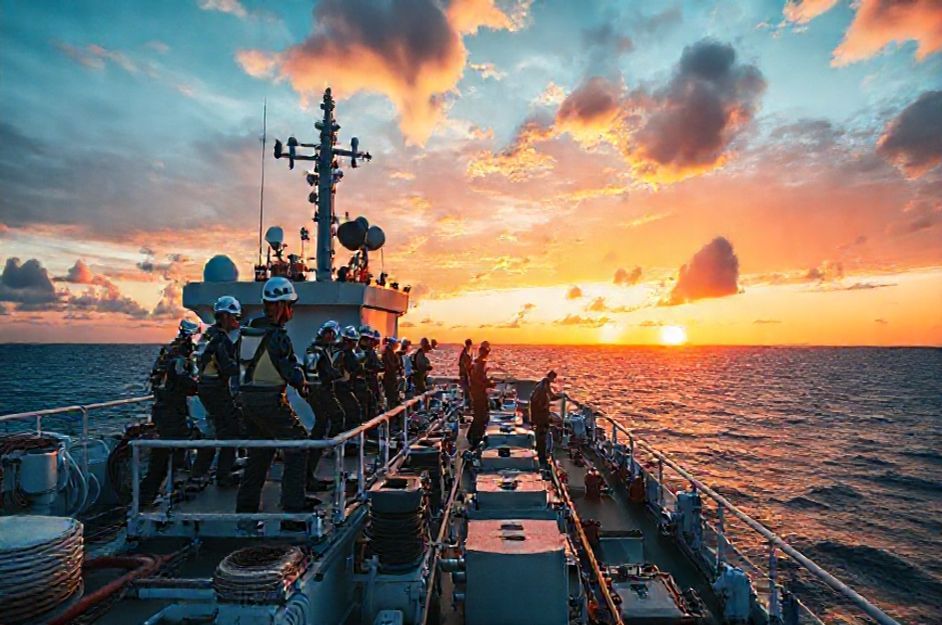
For individuals drawn to a life on the water and seeking a fulfilling career, the U.S. Merchant Marine offers a diverse range of opportunities. Often referred to as the nation’s “fourth arm of defense,” the Merchant Marine plays a vital role in supporting both commercial and military operations. This guide answers common questions about this unique profession.
**What is the Merchant Marine?**
The Merchant Marine comprises civilian men and women who operate U.S.-flagged commercial vessels across the globe, including deep seas, inland waterways, and the Great Lakes. The industry encompasses various vessel types, such as containerships, tankers, bulk carriers, passenger ships, and tugboats, resulting in a wide array of career paths.
**Is the Merchant Marine Part of the U.S. Military?**
No, merchant mariners are civilian employees working for private companies and are not members of the armed forces. However, they play a crucial role in supporting military operations by crewing vessels that transport troops and military cargo. Merchant Mariners have consistently provided support during Operations Enduring Freedom and Iraqi Freedom.
**Where Do Merchant Mariners Receive Their Training?**
Numerous maritime schools across the United States provide training opportunities. One prominent institution is the Paul Hall Center for Maritime Training and Education, located in Piney Point, Maryland. This center offers entry-level training, programs for military veterans, ongoing vocational classes, and academic support. Since its establishment in 1967, the Paul Hall Center has trained approximately 145,000 students, offering academic support, GED programs, and college degree pathways. Many maritime classes also provide college credit opportunities.
**What is the Training Like at the Paul Hall Center?**
The Paul Hall Center offers a comprehensive educational experience with state-of-the-art equipment in a scenic environment. The apprentice program combines hands-on training with classroom instruction and includes three phases, one of which involves 90 days of practical experience aboard a U.S.-flagged ship.
**Career Longevity: Do Graduates Remain in Maritime Careers?**
Approximately 75% of students who successfully complete the program remain employed in sailing-related careers four years after graduation, indicating a high level of job satisfaction and career stability within the U.S. Merchant Marine.