
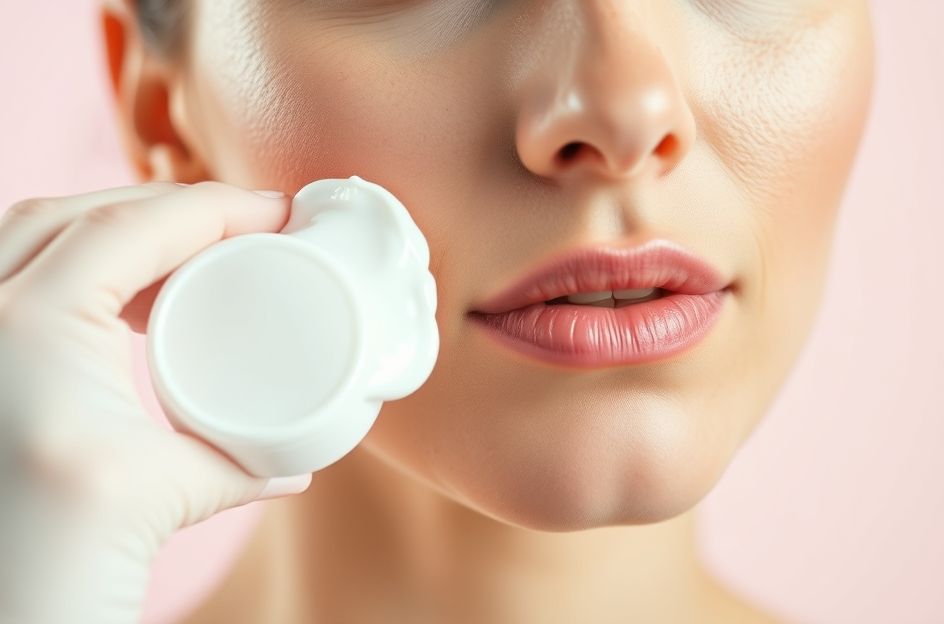
Tretinoin, a powerful retinoid derived from Vitamin A, is a highly effective topical treatment for acne. This guide provides a comprehensive overview of tretinoin, its uses, and important considerations for treatment.
Tretinoin works by unclogging pores and promoting skin peeling, effectively controlling acne. The FDA approved it in 1971 for topical acne treatment. It’s available in gel, liquid, and cream forms, typically prescribed for daily nighttime use or at intervals determined by your doctor based on your specific acne condition.
Initially, tretinoin use may cause a temporary worsening of acne, with redness, increased sores, and skin scaling. Improvement is generally noticeable within three to six weeks.
Important Precautions:
Before using tretinoin, consult your doctor about all topical and oral medications, including lotions and shampoos, to avoid potential interactions. Avoid pregnancy while using tretinoin; discuss this in detail with your doctor. Tretinoin increases sun sensitivity, necessitating diligent sunscreen use.
Potential Side Effects:
If you experience persistent side effects like red, scaling skin, changes in skin color, stinging, or swelling, consult your doctor immediately.
Disclaimer: This information is for educational purposes only and does not substitute professional medical advice. Always consult your doctor for medical concerns and before following any tips in this article. The author is not liable for any outcomes resulting from the use of this information.