
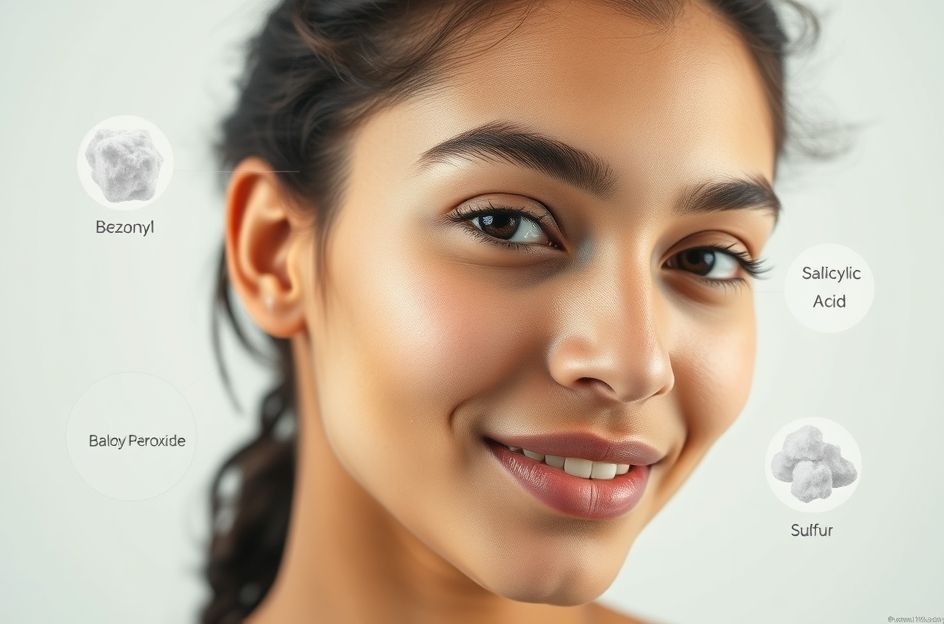
Acne is a prevalent skin condition that can persist for extended periods. While many individuals outgrow acne by the age of 30, some continue to experience it well into adulthood. Effective treatment is crucial to prevent complications and maintain healthy skin. When over-the-counter remedies prove insufficient, exploring medical options becomes necessary.
Here are three of the most effective acne medications:
1. Benzoyl Peroxide:
Benzoyl peroxide is a powerful antibacterial agent that targets and eliminates P. acnes, the bacteria responsible for causing acne. It functions as an antiseptic, reducing the number of clogged pores. Noticeable improvements typically appear within approximately three weeks of consistent use.
Important Note: Benzoyl peroxide possesses bleaching properties and is used in hair and fabric bleaching. Exercise caution during application. Available both over-the-counter and by prescription, benzoyl peroxide comes in various forms, including gels and creams.
Allergic Reactions: Approximately 3% of individuals are allergic to benzoyl peroxide. If you experience skin inflammation after application, discontinue use immediately.
2. Salicylic Acid:
Salicylic acid is used to treat various skin conditions, including dandruff, calluses, and warts. It is also an effective acne medication. It works by slowing down the shedding of cells within the follicles, preventing pore blockages. Additionally, it aids in breaking down existing whiteheads and blackheads.
Salicylic acid is available in multiple formulations, such as creams, gels, lotions, and ointments. Adhere strictly to the usage instructions provided on the product label or by your dermatologist. Incorrect use can lead to salicylic acid poisoning, characterized by symptoms like dizziness, diarrhea, and rapid breathing.
3. Sulfur:
Sulfur is a common ingredient found in acne soaps, washes, and creams. It facilitates skin peeling and drying, which helps to break down whiteheads and blackheads. Always carefully review the label directions before use to avoid potential complications.
Important Considerations:
Consult a dermatologist or healthcare professional before starting any acne medication. While these medications effectively kill bacteria, slow down cell turnover, and exfoliate the skin, they do not prevent future bacterial colonization. Consistent skincare and preventative measures are essential for long-term acne management.