
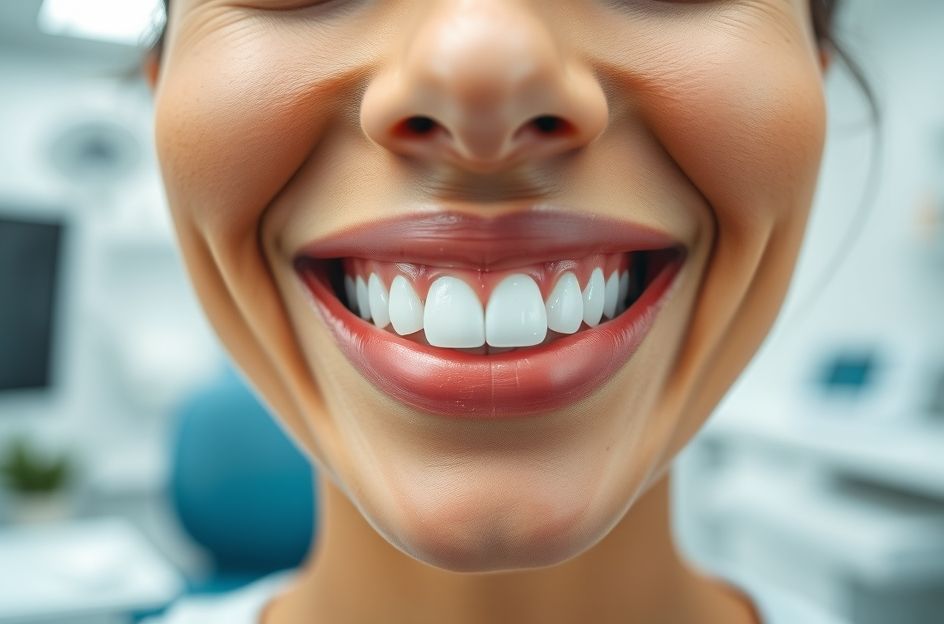
Tooth whitening, also known as teeth bleaching, is a cosmetic dental procedure designed to lighten the shade of your teeth by removing stains and discoloration from the enamel and dentin. A common method involves using a custom-fitted mouthguard filled with carbamide peroxide. This allows the bleaching agent to evenly coat the teeth, resulting in a brighter smile.
Understanding Tooth Discoloration
Tooth discoloration can be classified into two main categories: external and internal. Identifying the type of stain is crucial for effective treatment.
* External Stains: These are caused by external factors such as tobacco use, and the consumption of dark-colored beverages like tea, coffee, grape juice, and apple juice. These substances deposit pigments on the tooth enamel.
* Internal Stains: Internal stains develop within the tooth structure. Common causes include excessive fluoride intake during tooth formation, aging, trauma, nerve degeneration, and the use of tetracycline antibiotics while teeth are developing.
Professional whitening treatments, such as custom tray bleaching, can effectively remove both external and internal stains. Over-the-counter products like whitening toothpastes primarily target external stains.
Who is a Good Candidate for Tooth Whitening?
Most individuals can benefit from tooth whitening. However, the effectiveness of the procedure may vary depending on the cause and severity of the discoloration. For example, teeth stained by tetracycline can be more resistant to whitening. Additionally, dental restorations like veneers, crowns, and fillings do not respond to bleaching agents, potentially leading to uneven color after the procedure.
Tooth Whitening During Pregnancy and Breastfeeding
Dentists generally advise pregnant and nursing women to avoid tooth whitening procedures. This recommendation is based on the limited clinical research on the effects of bleaching agents on pregnant women and nursing mothers and their babies.
Uneven Whitening: What to Expect
The sides and biting edges of teeth tend to whiten faster than other areas due to thicker enamel. These areas respond more readily to the bleaching agent. With continued treatment, the overall whiteness will typically even out.
Is Tooth Whitening Safe?
Custom-fit tray bleaching using carbamide peroxide, when performed under the supervision of a dentist or qualified oral healthcare professional, is considered safe. The bleaching agent does not pose a risk to the teeth or gums, nor does it damage the enamel or weaken the teeth. The most common short-term side effect is temporary tooth sensitivity, which usually resolves quickly after stopping the treatment.
If you have further questions or concerns about tooth whitening, consult with your dentist. Informed decisions are crucial for a successful and satisfying experience.