
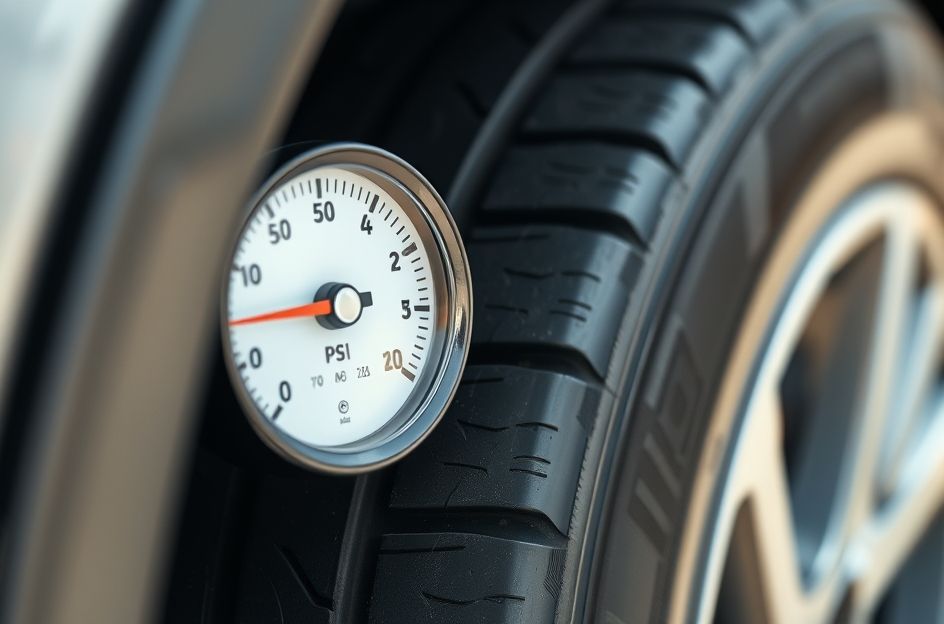
As we gear up our vehicles for the year, it’s crucial to focus on the component that directly connects you to the road: your tires. The National Highway Traffic Safety Administration (NHTSA) identifies underinflation as a primary cause of tire failure, a factor significantly contributing to road accidents. Take charge of your vehicle’s safety with these expert-backed guidelines.
Regular Tire Inspection: Visually inspect your tires frequently. Cracks or cuts on the sidewalls warrant a professional’s attention, as advised by Consumer Reports. Any bulges or blisters indicate potential weaknesses and necessitate immediate tire replacement.
Maintain Correct Pressure: Tires naturally lose air. Check tire pressure monthly, including the spare, using a reliable gauge.
Adhere to Recommended Inflation: Inflate tires to the pressure (PSI) specified by your vehicle’s manufacturer, typically found on a sticker inside the driver’s side door or in the owner’s manual. Do not use the pressure stamped on the tire itself, as this is the maximum pressure, not the recommended pressure.
Check When Cold: For accurate readings, check tire pressure when tires are cold – at least three hours after driving. Even short drives require this resting period.
Evaluate Tread Depth: Ensure adequate tread depth. Many tires have tread wear indicator bars. If these bars are flush with the tread surface, it’s time for new tires. A simple ‘penny test’ can also be used: insert a penny upside down into the tread. If Lincoln’s head is visible, your tread is too low.
Regular Tire Rotation: Rotate tires every 5,000 to 8,000 miles, or as recommended in your owner’s manual. Some vehicles, especially four-wheel-drive models, may require more frequent rotation.
Proper tire maintenance is a key safety precaution, especially with variable road conditions. Prioritize these steps for a safer driving experience.