
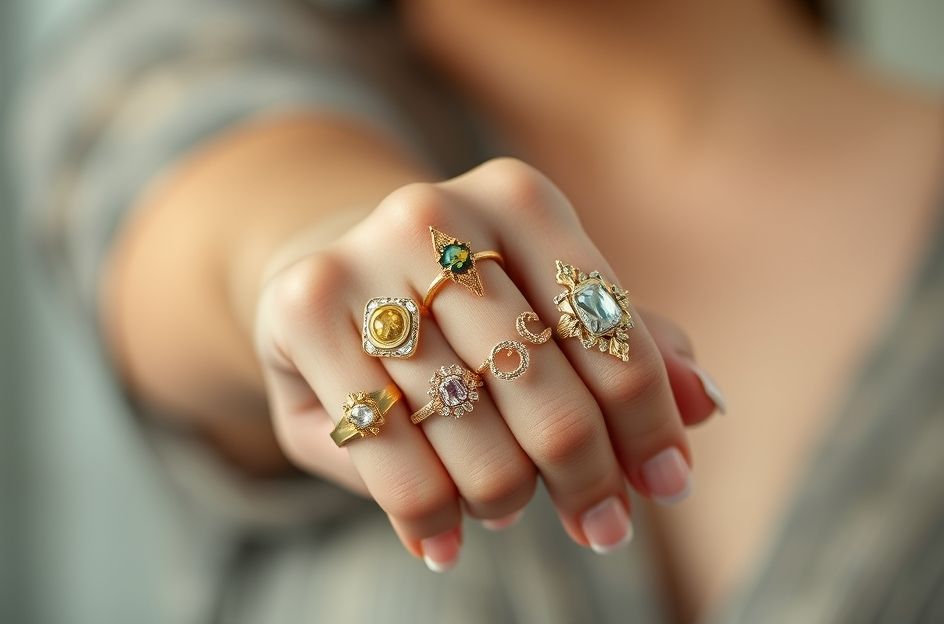
Gold rings have captivated people for centuries, their radiant yellow hue a symbol of beauty and prestige. From simple bands to intricate designs, gold rings have evolved significantly, reflecting cultural shifts and personal expression.
In ancient times, gold rings held symbolic meaning. Early Greeks wore gold bands, while in Rome, gold rings were initially reserved for military and civil dignitaries before becoming more widely accessible. The Middle Ages saw the rise of gemstone-adorned gold engagement rings, marking a significant development in their use. Even today, gold rings play a role in significant events, such as a king’s coronation or the Papal ring, a unique gold seal ring given to each Pope.
Modern gold rings offer a diverse range of styles, incorporating precious gemstones, enamel work, and intricate patterns like floral and netted designs. The Victorian era is particularly renowned for its exquisitely detailed gold jewelry.
Beyond aesthetics, gold rings hold profound significance in relationships. Gold wedding rings symbolize commitment, a tradition now embraced by both partners. Rings also serve as memorial or mourning pieces, and fashionable statements.
Understanding gold’s properties is essential when purchasing a ring. Pure gold (24 karat) is soft and susceptible to damage. For everyday wear, lower karat gold alloys are recommended. 18 karat gold, composed of 75% gold and 25% alloy, balances strength and value. 14 karat gold is a popular choice for engagement and wedding rings due to its durability. To maintain their luster, gold rings should be cleaned with mild soap and warm water and stored properly.
Gold rings remain a cherished gift for any occasion. Whether it’s a sapphire solitaire or a cluster of diamonds, a gold ring evokes joy and admiration. As treasured heirlooms, they are often passed down through generations, embodying love and legacy.