
Achieving museum-quality framing for paper artwork requires meticulous attention to detail. This guide outlines a proven four-step process ensuring both aesthetic appeal and long-term preservation.
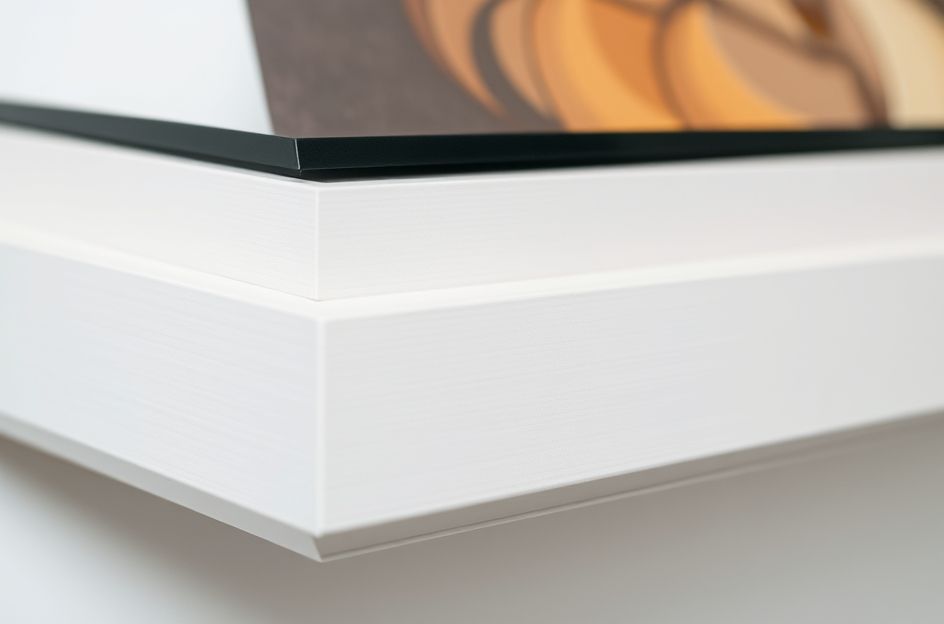
First, surround the artwork with a 4-ply, 100% rag mat board. This acid-free barrier is crucial for protecting the art from direct contact with the glass and potential damage. Specialized attachment flanges are recommended, allowing the artwork to expand and contract naturally with temperature and humidity changes. These flanges also enable easy removal of the artwork from the frame if necessary, without causing damage.
Second, protective glass is essential for shielding paper artwork from dust, pollutants, and physical damage. The mat board creates a vital space between the art and the glass, preventing them from touching. The overall size of the framing package must be larger than the artwork itself to accommodate any expansion or contraction.
Experienced framers understand the importance of balanced proportions. The width of the matting should be carefully considered in relation to the frame. Multiple mats can enhance the image, with a pale, neutral-colored rag board as the top mat. An optional second mat in an accent tone, revealing a 1/4-inch border, can add depth. A third mat, matching the top mat or in white/off-white, sits directly against the art.
When the artwork features a signature or numbering within the image area, the matting should be positioned just inside the image boundaries. If the signature or numbering is located in the margin, maintain an unmatted border of at least 1/2 inch around the image.
Third, opt for specialty glass products designed to minimize glare, maximize clarity, and block harmful ultraviolet light. These advanced glass options provide superior protection and enhance the viewing experience.
Fourth, select the frame with careful consideration. While metal frames may suit posters and contemporary pieces, wood-toned or silver leaf mouldings, at least one and a half inches wide, generally complement most art styles. Avoid overpowering bright gold mouldings. Ideally, the frame should enhance the artwork without drawing undue attention to itself.
While understanding the intricacies of framing design and procedures is beneficial, entrusting your artwork to a qualified professional ensures optimal results. A skilled framer will consider both design aesthetics and conservation principles, providing peace of mind that your artwork is properly protected and beautifully presented.