
When buying skin or hair creams, brand names abound. However, it’s crucial to understand which components of the product are actually manufactured by the brand itself. Many companies focus solely on marketing, while the actual manufacturer remains behind the scenes.
This article delves into the world of essential oil manufacturers, who often operate anonymously. We’ll explore crucial considerations related to these manufacturers and their impact on product quality.
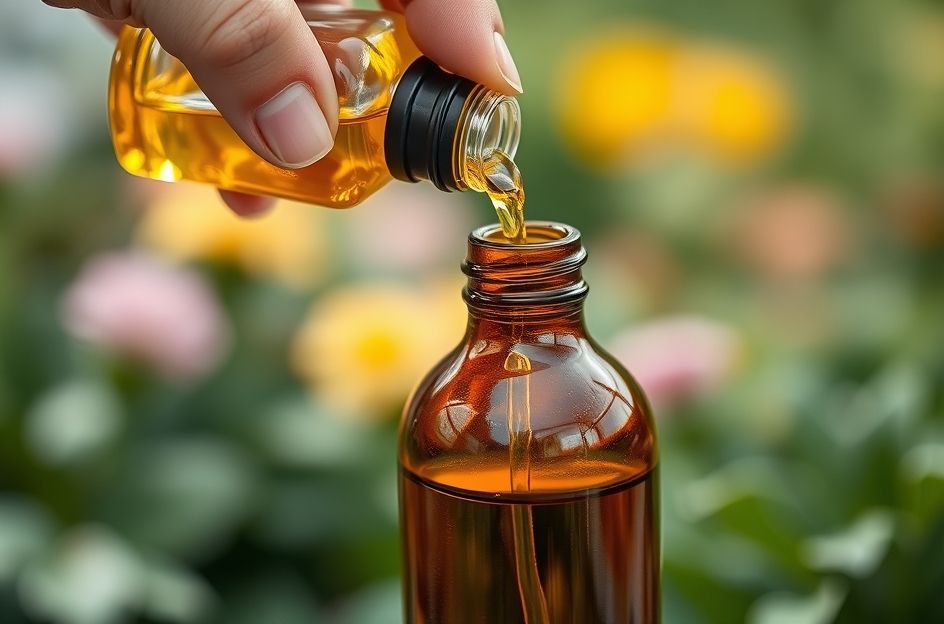
Essential oil manufacturers are responsible for sourcing the raw materials needed for extraction. This extraction process is frequently intricate, involving the removal of the plant’s essence from various parts, like flowers, stems, leaves, and bark.
The primary responsibility for ensuring quality rests on the manufacturer. They directly interact with plant growers. A significant concern revolves around the presence of pesticides and insecticides in essential oils. While extraction methods aim to eliminate impurities, trace amounts can persist.
To eliminate these impurities, manufacturers can source organic materials. Organically grown plants are cultivated without artificial fertilizers, leading to naturally superior essential oils. Organically manufactured essential oils are often considered more effective.
If you intend to purchase directly from an essential oil manufacturer, seek out specific accreditations. ECOCERT International is globally recognized as a quality standard. In the UK, certification from the Soil Association signifies quality. Membership in the National Association of Holistic Aromatherapists indicates a provider of quality aromatherapy products.
Purchasing from established, well-known brands offers the advantage of their internal quality control. These companies employ rigorous testing procedures to evaluate the quality of essential oils. Therefore, choosing a reputable brand provides assurance and reliability.