
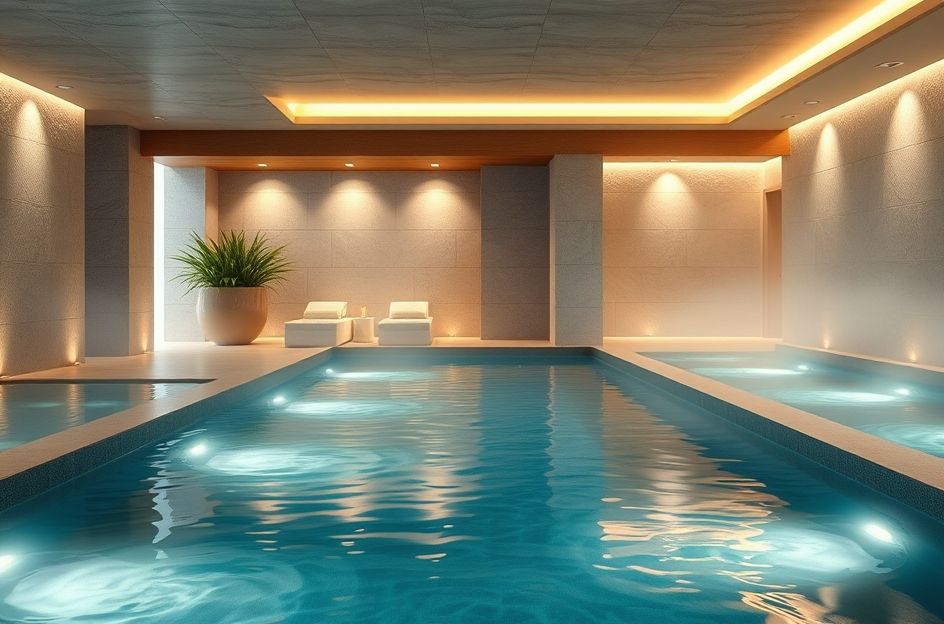
The mere thought of a spa can invigorate a weary body. In today’s fast-paced world, carving out time for self-care is often a challenge. The term “spa” is frequently used in advertising, sometimes diluting its true meaning. Originally, a spa referred to a health resort situated near a natural water source, such as a spring or the sea.
The term “spa” originates from the town of Spa in Belgium, renowned for its historic springs. Roman soldiers, seeking relief from battle wounds, frequented these mineral springs to soothe their aching bodies and promote healing with the warm, therapeutic waters. Subsequently, any location, natural or man-made, featuring a medicinal spring became known as a spa. In eastern New England, these mineral springs were also referred to as soda fountains.
An alternative etymology suggests that “spa” derives from the Latin phrase “sanitas per aqua,” meaning “health through water.” Regardless of its precise origin, the term “spa” is intrinsically linked to water possessing medicinal properties. However, not all modern spas claiming to offer therapeutic baths and massages necessarily have access to natural springs.
Nevertheless, the core concept behind modern spas remains consistent with their historical counterparts. These establishments, which may or may not be located near a natural water source, provide facilities such as hot tubs and hydro-massage to promote physical and mental relaxation. Many spas also emphasize privacy and seclusion for their patrons.
Spas enjoy widespread popularity in countries like Germany, France, and Italy, where individuals seek revitalization. Treatments may involve bathing in or simply drinking the fresh spring water. Spas are believed to alleviate various ailments, including eczema, arthritis, liver problems, and kidney stones. In some European countries, insurance and health agencies may even cover spa therapy expenses. The enduring appeal of spas lies in the hope of finding relief from illness and promoting overall well-being. Many individuals have reported successful outcomes from spa treatments.
While contemporary spas differ significantly from the original medicinal springs, often incorporating features like Jacuzzis, saunas, and water-based mud packs, the underlying principle remains the same: to foster peace of mind and promote good health.