
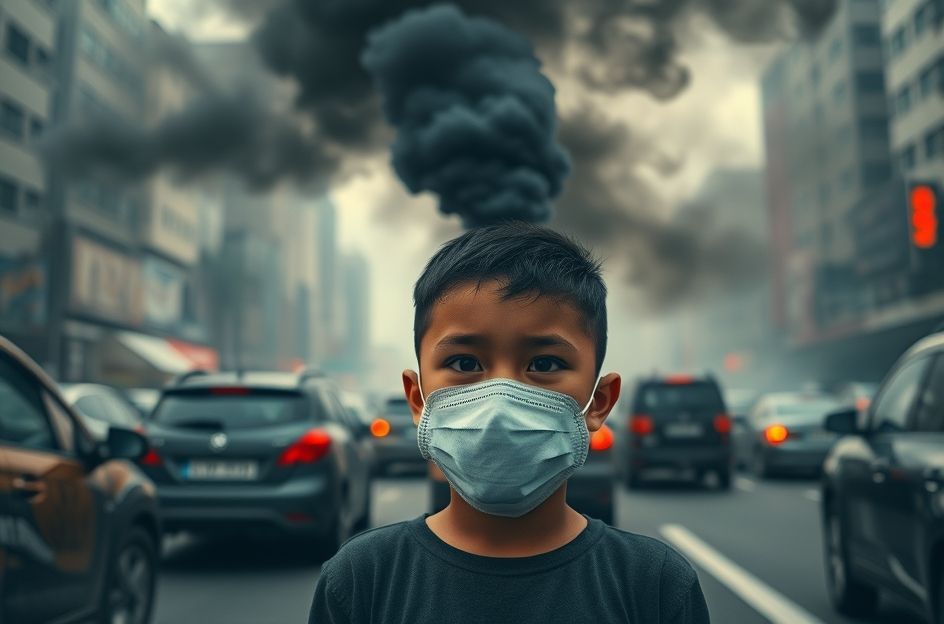
Air pollution poses a significant threat to public health. It’s a complex mixture of environmental factors, including carbon monoxide, nitrates, sulfur dioxide, ozone, lead, secondhand tobacco smoke, and particulate matter. Particulate matter, also known as particle pollution, consists of solid and liquid particles suspended in the air. These particles originate from diverse sources such as vehicle emissions, tire wear, road dust, power generation, industrial combustion, metal processing, construction, demolition, residential wood burning, windblown soil, pollen, mold, wildfires, volcanic activity, and sea spray. Their size, composition, and origin vary considerably.
Vehicle emissions are a major contributor to air pollution, particularly in densely populated urban areas. Carbon monoxide, a colorless, odorless, and highly poisonous gas, is a primary component of these emissions, resulting from combustion processes in cars, trucks, and other vehicles, as well as cigarette smoke. Carbon monoxide impairs the body’s ability to absorb oxygen, posing a serious health risk. Even low-level, prolonged exposure can lead to respiratory illnesses and other health problems.
Exposure to vehicle pollution has demonstrable negative impacts. Studies show that pollution levels can vary significantly even within a single city, and that traffic-related air pollutants are strongly correlated with mortality rates. Individuals living near major roads are at higher risk of cardiovascular events.
Research suggests that long-term exposure to air pollution can significantly reduce life expectancy. People residing in the most polluted U.S. cities may lose several years of their lives due to chronic air pollution. This has led to the following conclusions:
* Short-term exposure to elevated particle pollution increases the risk of death from cardiovascular events.
* Hospital admissions for cardiovascular and pulmonary diseases rise with higher concentrations of particle pollution.
* Prolonged exposure to elevated particle pollution contributes to a reduction in overall life expectancy.
These findings underscore the urgent need for stricter regulation of vehicle emissions to protect public health and ensure a healthier future.