
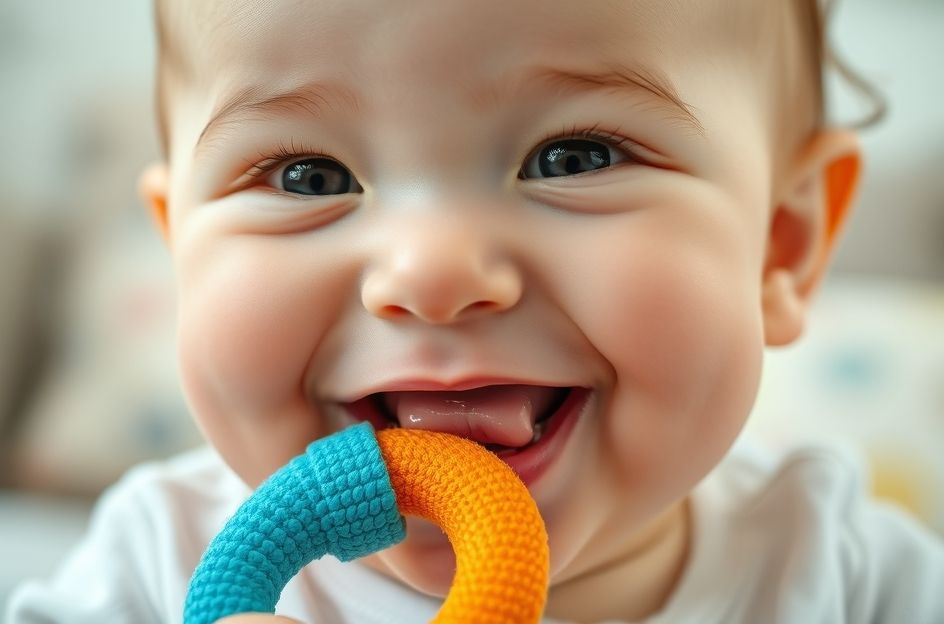
Teething, while a developmental milestone, can be a challenging period for both baby and parents, often spanning from around 3 or 4 months until approximately 3 years of age. Understanding the typical tooth eruption timeline can help manage expectations and address discomfort effectively.
Here’s a general guideline for when primary teeth (also known as baby teeth) typically emerge:
* 6-7 months: Incisors (the two central teeth on the bottom and two central teeth on the top)
* 7-9 months: Additional incisors (completing the set on both top and bottom)
* 10-14 months: First molars (the broader teeth used for chewing)
* 15-18 months: Canines (the pointed teeth, sometimes referred to as “fangs”)
* 2-3 years: Second molars (the final set of molars located at the back of the mouth)
By the age of three, most children will have a full set of 20 primary teeth.
While the actual eruption of a tooth may not be overtly painful, teething can cause significant discomfort. It’s important to differentiate teething symptoms from other potential ailments. Common indicators of teething include:
* Increased irritability
* Restlessness and sleep disturbances
* Increased saliva production
* Drooling
* A strong urge to chew on objects
Additionally, you might observe swollen, sensitive gums in the area where a new tooth is emerging.
To alleviate your baby’s teething discomfort, several remedies can be effective. Teethers are a popular choice; options include classic key-shaped teethers or chilled (but not frozen) teething rings. The key is to find what works best for your child.
Seeing that first little tooth emerge makes all the effort worthwhile.