
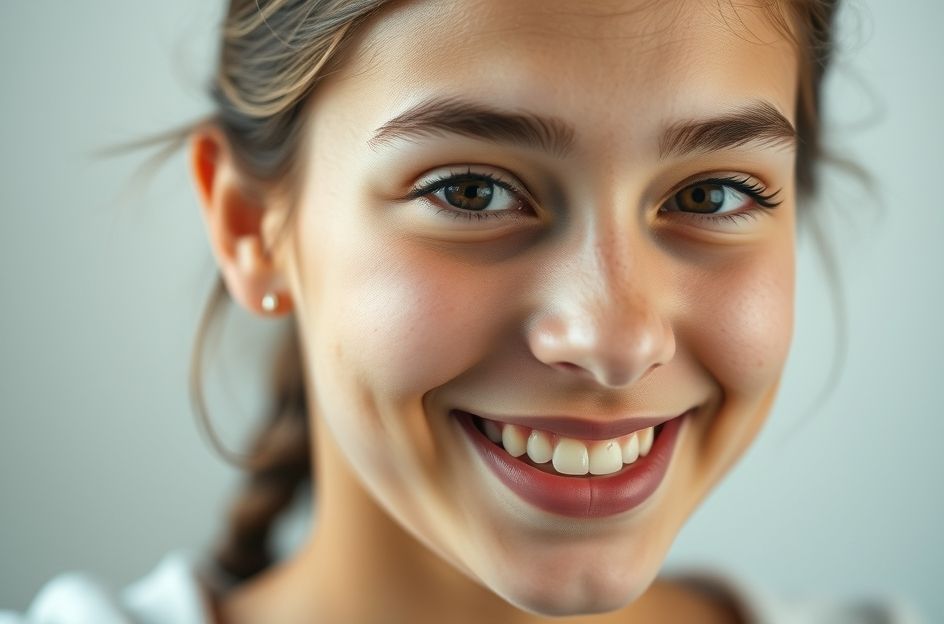
Acne during the teenage years is a common and often distressing experience. Beyond the visible skin blemishes, acne can significantly impact a teen’s psychological well-being, especially in severe cases. Self-consciousness related to their appearance can lead to low self-esteem and social withdrawal.
It’s crucial to recognize the real impact acne has on teenagers. While some may dismiss their concerns as oversensitivity, the emotional and psychological burdens are substantial. Teens often feel immense pressure to conform to societal beauty standards, making them particularly vulnerable to the negative effects of acne.
Many teens struggling with acne feel unattractive, a feeling that can unfortunately persist into adulthood. Parents often grapple with how to best support their children who are experiencing depression or feelings of inferiority related to their skin.
Distinguishing between typical teenage angst and acne-related distress can be challenging. To truly understand the psychological impact, active listening is essential. By attentively listening to how acne makes them feel and addressing their insecurities, parents can demonstrate empathy and care.
Educating teens about the causes, types, and available treatments for acne can also be incredibly reassuring. It’s important to emphasize that acne isn’t due to poor hygiene. Remind them that many teenagers experience acne, and they are not alone.
Identifying the specific type and cause of acne is the first step toward effective treatment. Once a treatment plan is initiated, teenagers often experience an improvement in their appearance, leading to increased self-confidence and a more positive self-image.