
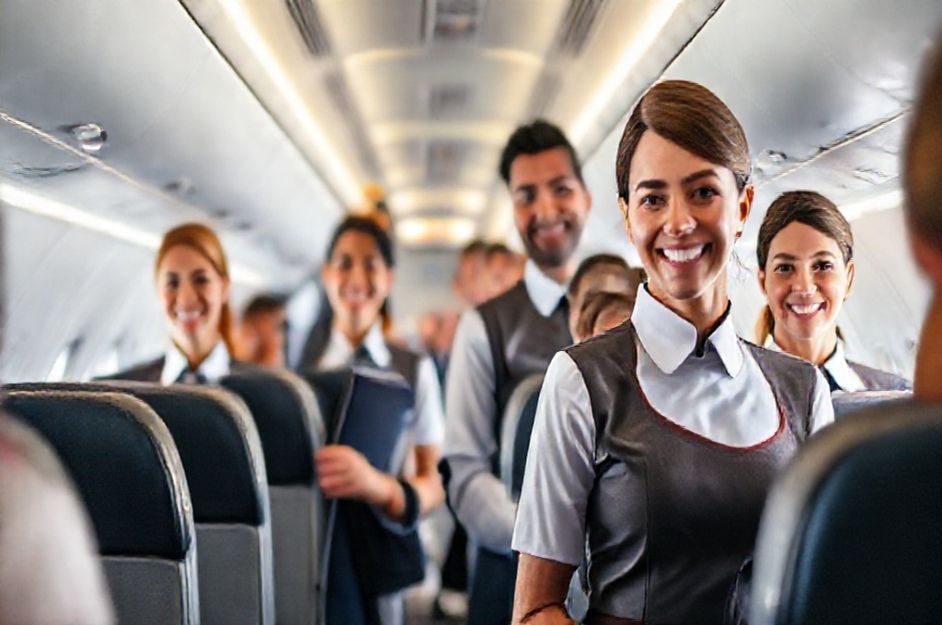
For decades, movies and books have romanticized the lives of airline flight attendants, portraying them as glamorous figures jet-setting around the world. But what is the reality of the job? We spoke to flight attendants to get the real story behind the wings.
Before the Flight:
The day begins with a briefing from the captain, who provides essential information about the flight, including evacuation procedures, crew introductions, flight details, anticipated weather conditions, and any relevant passenger information. Following the briefing, a thorough check of onboard safety equipment is conducted to ensure all first aid kits are fully stocked and all safety equipment is functioning correctly. Finally, the passenger cabin is inspected to confirm adequate supplies of food, beverages, blankets, and other passenger necessities.
Flight Time: Showtime!
Flight attendants are the first point of contact for passengers boarding the plane, verifying tickets and directing them to their seats while assisting with coat and carry-on storage. Once passengers are seated, flight attendants provide a comprehensive demonstration of emergency equipment and its proper usage. A final check ensures all passengers have fastened their seatbelts and that all bags are securely stowed before takeoff.
During the Flight:
Flight attendants follow a schedule, often coordinated by the lead flight attendant, to ensure all passengers are comfortable and attended to. This includes serving meals and drinks, distributing pillows, blankets, and reading materials, and answering questions about reading lights, seat recline mechanisms, and restroom locations. Beyond these routine tasks, flight attendants provide assistance to passengers with small children or disabilities, anticipating their needs and ensuring their comfort and safety. Flight attendants are trained to handle turbulence, offering reassurance to anxious flyers and providing care to passengers who may become ill or injured.
While emergency situations are rare, flight attendants are thoroughly trained to handle them. In the event of a forced landing, they are responsible for maintaining calm and assisting passengers in safely evacuating the aircraft. They are also trained to identify and respond to suspicious behavior that may indicate a potential security threat, such as a hijacking or terrorist activity.
Before Landing:
An inventory of all equipment is taken to ensure everything is accounted for.
After Landing:
The job continues after the plane lands. Flight attendants assist passengers with deplaning and conduct a thorough check of the aircraft for any forgotten items. Post-flight reports must be completed, and essential information is relayed to the captain and crew. Despite the relatively short duration of some flights, the duties are extensive and crucial for ensuring passenger safety and comfort.