
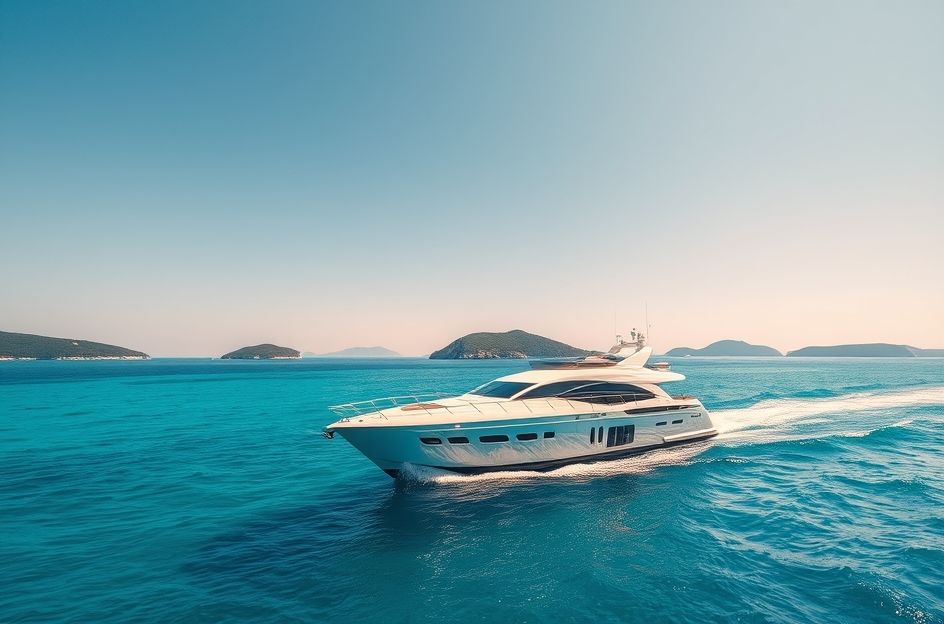
The Ionian Sea, a jewel of the Mediterranean, beckons sailors with its predictable winds, warm sunshine, and captivating islands steeped in Greek mythology. This region offers line-of-sight navigation and short inter-island passages, making it ideal for both novice and experienced sailors. The allure of the Ionian is amplified by its historical significance, inextricably linked to Homer’s epic, “The Odyssey.”
“The Odyssey” recounts the epic journey of Odysseus, a saga filled with trials and tribulations as he navigates the Mediterranean around 800 BC. Following the Trojan War, Odysseus’s voyage home was fraught with peril. From encounters with the Lotus Eaters (possibly in Libya) to the Cyclops in Sicily, where crew members were devoured, Odysseus faced relentless adversity.
Further perils included the Laestrygonians, giants who attacked his fleet with boulders, and the enchantress Circe, who transformed his men into swine. Protected by a herb from Hermes, Odysseus resisted her magic.
The journey involved navigating the Pillars of Hercules (the Rock of Gibraltar and Jebel Musa), facing the deadly Sirens by plugging his crew’s ears with wax and binding himself to the mast, and narrowly avoiding Charybdis’s whirlpool and Scylla’s deadly grasp in the straits between Sicily and Italy.
Divine wrath struck when Zeus destroyed Odysseus’s ship, leaving him shipwrecked on Malta, where Calypso detained him. Eventually, Zeus ordered his release, but Poseidon sent a storm, washing him ashore on Corfu. There, Princess Nausicaa aided him, leading to his eventual return to Ithaca.
Upon his return, Odysseus faced suitors vying for his wife’s hand. With the help of allies and the gods, he triumphed, restoring peace to his kingdom.
The Ionian Sea boasts consistent winds, typically light in the morning, strengthening to around 20 knots in the afternoon, and calming again in the evening. During summer, northwesterly winds prevail, shifting to southwesterly winds in other months.
**Corfu:** This verdant island, blessed with abundant rainfall, boasts lush woodlands, pine-covered mountains, lakes, and sandy beaches. Corfu Town, the capital, is dominated by the New Fortress. Explore Sidari’s Canal d’Amour, visit the Villa of Achillion, or discover the fishing village of Benitses and its Roman ruins. The main harbor in Corfu Town provides excellent shelter. Linin Gouvia, to the northwest, hosts Gouvia Marina, a yachting hub.
**Agios Stefanos:** Located in the North Corfu Channel, this inlet offers anchorage despite a nearby military post, providing shelter from northwesterly winds.
**Agni Bay:** South of Kalami, this bay provides shelter from northwesterly winds and features tavernas with private jetties.
**Paleokastritsa:** A tourist resort on the east side of Corfu, known for the Monastery of Panayia Theotokos and nearby sea caves. The harbor offers limited berths and protection, except during strong southerlies.
**Petriti Village:** This village features a harbor with good protection and taverns serving fresh fish.
**Paxos:** South of Corfu, Paxos is a charming island covered in pine trees. Explore Gaios, Laka, and Logos, with their Ionian architecture. Gaios, the capital, is a safe harbor with security patrols. Lakka, in the north, offers a horseshoe-shaped bay ideal for swimming. Anti Paxos, a tiny island to the south, boasts crystal-clear waters and sandy beaches.