
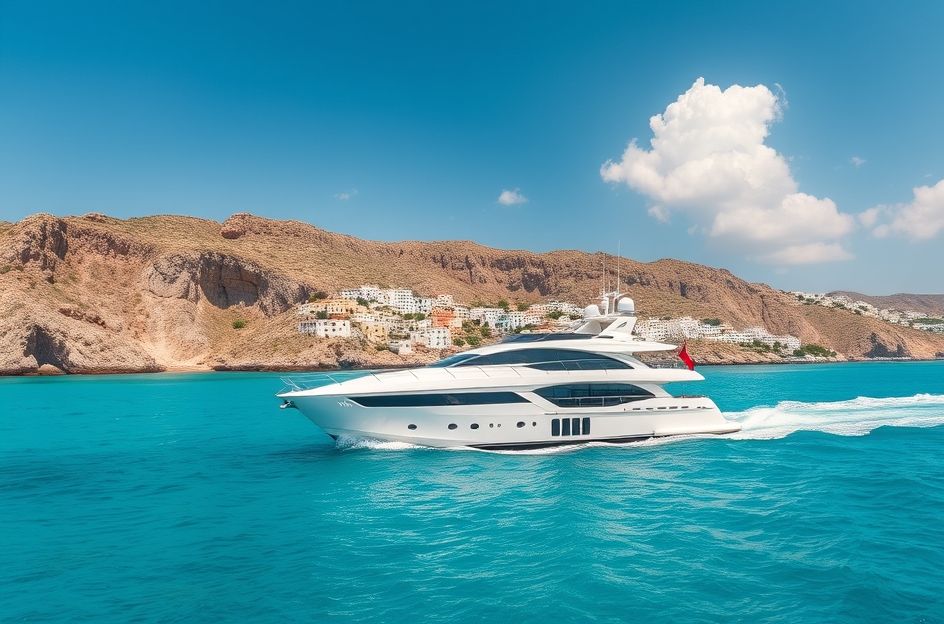
Sailing the Costa del Sol offers a diverse range of experiences, from bustling marinas to secluded anchorages. This guide provides essential information for navigating this beautiful stretch of Andalucian coast, extending eastward from Gibraltar to Cabo de Gata.
**Regulations and Requirements**
As Spain is part of the European Union, EU and American nationals can visit for up to 90 days with just a passport. EU nationals can apply for residency to extend their stay, while non-EU nationals may apply for a further 90-day extension. While enforcement of these regulations may seem lax for liveaboard yachtsmen, it’s advisable to clear customs upon arrival in Spain.
Expect to present the vessel’s registration papers, crew passports, certificate of competence, VAT status evidence, crew list with passport details, radio license, and insurance certificate. Yachts with VAT paid or exempt status can apply for a “permiso aduanero” for indefinite stays, helpful for importing spares from other EU countries. Non-EU registered boats without VAT paid can be imported for up to six months in any twelve-month period, after which VAT becomes due. Extension of this period may be possible with local customs authorities.
Foreign vessels are legally required to fly their national maritime flag alongside the Spanish courtesy flag.
**Essential Equipment and Considerations**
An SSB radio is useful for weather forecasts. Summer heat necessitates good ventilation; consider extra hatches and a wind scoop. A cockpit awning or bimini is essential for sun protection. A cockpit table enhances outdoor dining. Mosquitoes can be a nuisance, so screens, coils, or repellents are advisable. Sunburn is a significant risk; use sunscreen and hats to avoid sunstroke.
**Currents, Tides, and Weather**
A constant east-going current of 1-2 knots flows through the Strait of Gibraltar and between the Costa del Sol and North Africa. Tides are most noticeable at the western end, with Gibraltar experiencing a maximum of 1 meter. The weather is influenced by various systems, making it unpredictable. The “tramontana,” a northwest wind, can be dangerous, arriving and reaching gale force in as little as 15 minutes, lasting up to a week or more. The “levante,” an east wind, can also blow at gale force for several days. Gibraltar’s annual rainfall is 760mm. The Costa del Sol experiences about 4 foggy days per month. Summer temperatures can exceed 35°C, while winter temperatures average around 15°C.
**Marinas and Harbors of the Costa del Sol**
* **Gibraltar:**
* **Marina Bay:** Largest marina with 350 berths, offering water, electricity, chandlers, launderette, restaurants, and bars. Close to an indoor market.
* **Queensway Marina:** Quieter, with excellent security, restaurants, and bars.
Gibraltar offers historical attractions, including tunnels, Rosia Bay (where Lord Nelson’s body was brought ashore), Trafalgar Cemetery, cable car rides, and the Barbary apes.
* **Puerto de Sotogrande:** An attractive complex inspired by Portofino, surrounded by apartments, shops, bars, restaurants, sandy beaches, and sports facilities. One of the more expensive marinas.
* **Puerto de la Duquesa:** A favorite, offering free medical care, sandy beaches, and proximity to Sabinillas and Casares. Marbella is accessible by bus, and Ronda by car.
* **Puerto de Estepona:** A medium-sized marina with restaurants and bars.
* **Puerto de Jose Banus:** The marina for the wealthy, featuring boutiques, bars, restaurants, nightclubs, yacht charter and brokerage services. Good beach access for berth holders.
* **Puerto de Marbella:** Surrounded by tourist developments, potentially noisy, and susceptible to swell. Beaches are crowded in summer. Visit Orange Square in the city center.
* **Puerto de Cabopino:** A pleasant harbor with Andalucian-style houses, offering good shelter. Limited space for transient yachts. Cabopino beach is considered one of the best.
* **Puerto de Fuengirola:** Good shelter, with a busy town offering provisions. Crowded beaches nearby.
* **Puerto de Benalmadena:** A large, attractive marina named “Best Marina in the World” in 1995 and 1998, featuring numerous commercial premises and a sea life center. Close to Malaga airport.
* **Puerto de Malaga:** The major commercial and fishing port, with limited yacht facilities at Real Club Mediterraneo de Malaga. Explore the charming “City of Flowers.”
* **Puerto del Candado:** A small harbor suitable for shallow-draft vessels, but uncomfortable in strong winds.
* **Puerto Caleta de Velez:** A quiet fishing harbor.
* **Anchorages:** Fondeadero de Neja and Cala de Miel (with a freshwater spring) are worth visiting.
* **Marina del Este:** A purpose-built marina in a beautiful area, with high harbor charges in summer. Close to a small beach, yacht club pool, prehistoric caves, and day trips to Granada and the Alpahurras valley.
* **Puerto de Motril:** A commercial port serving Granada, with beaches nearby.
* **Puerto de Adra:** A historic commercial and fishing port with limited facilities and high harbor charges.
* **Puerto de Almerimar:** A very large marina with low prices, offering excellent shelter. The surrounding area is known for its plastic greenhouses.
* **Puerto de Roquetas del Mar:** A small fishing harbor, uncomfortable in strong winds.
* **Puerto de del Aguadulce:** Good shelter except in ESE winds. Features a swimming pool, squash court, and beaches with clean water. Two golf courses nearby.
* **Puerto de Almeria:** A commercial and fishing port with yacht facilities at Club de Mar del Almeria. The area has a grim feel due to industrial structures. Visit the Alcazaba, a Moorish castle.