
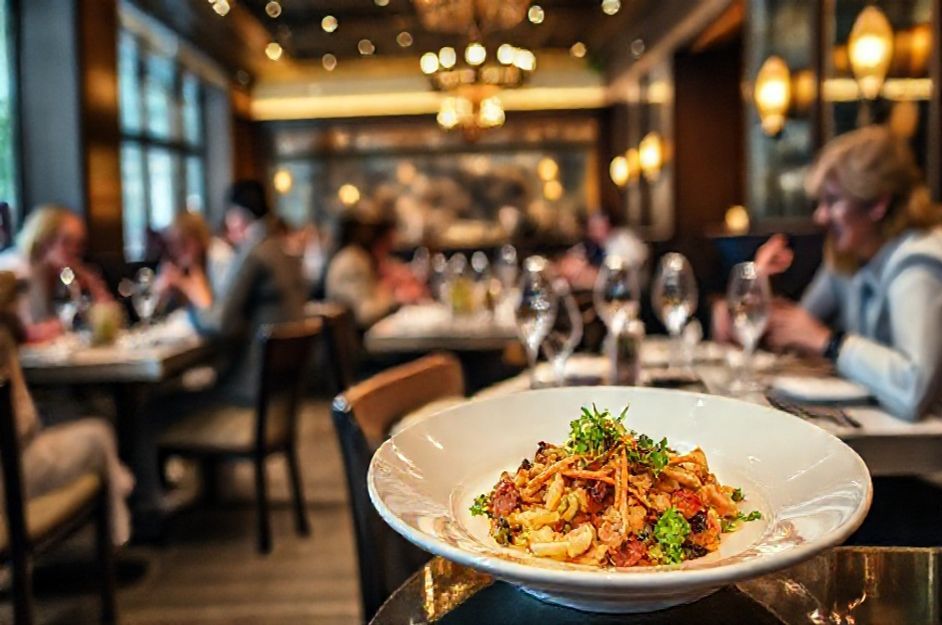
Food transcends mere sustenance; it’s a celebration of life, taste, and our collective efforts. While this celebration often occurs within the home, our increasingly fast-paced lives have led restaurants to become vital hubs for modern society.
Across the globe, culinary experiences are readily available, ranging from modest snack carts to luxurious, multi-Michelin-starred establishments. Diners can choose from a breathtaking variety of options: restaurants suspended in the air, underwater dining amongst marine life, or exclusive meals aboard trains, trams, or cruise ships – allowing you to celebrate in the manner that best suits your preferences.
The restaurant business presents a potentially lucrative opportunity for entrepreneurs. From budding startups and family-run establishments to expansive food chains, restaurants are making a significant impact on the consumer market. While dining at a restaurant may seem straightforward, successfully managing one and maintaining competitiveness in a saturated market requires meticulous planning and strategic execution.
Key Considerations for Launching a Restaurant:
Location: Choose a location with substantial foot traffic. Identify emerging areas with future growth potential, not just established locations.
Quality: Great food, exceptional ambiance, and outstanding service are paramount for cultivating customer loyalty and repeat visits.
Supply Chain: Establish a reliable and consistent supply chain. Invest time and resources in building strong supplier relationships before opening your doors.
Sustaining Success After Launch:
Manage Expectations: Avoid overpromising and under-delivering. Offer only menu items that your kitchen can consistently execute to perfection.
Embrace Change, Honor Tradition: Periodically refresh your restaurant’s décor and menu. However, preserve signature dishes and maintain the ambiance that your loyal customers cherish.
Value for Money: Above all, prioritize delivering exceptional value to your customers, regardless of economic fluctuations.