
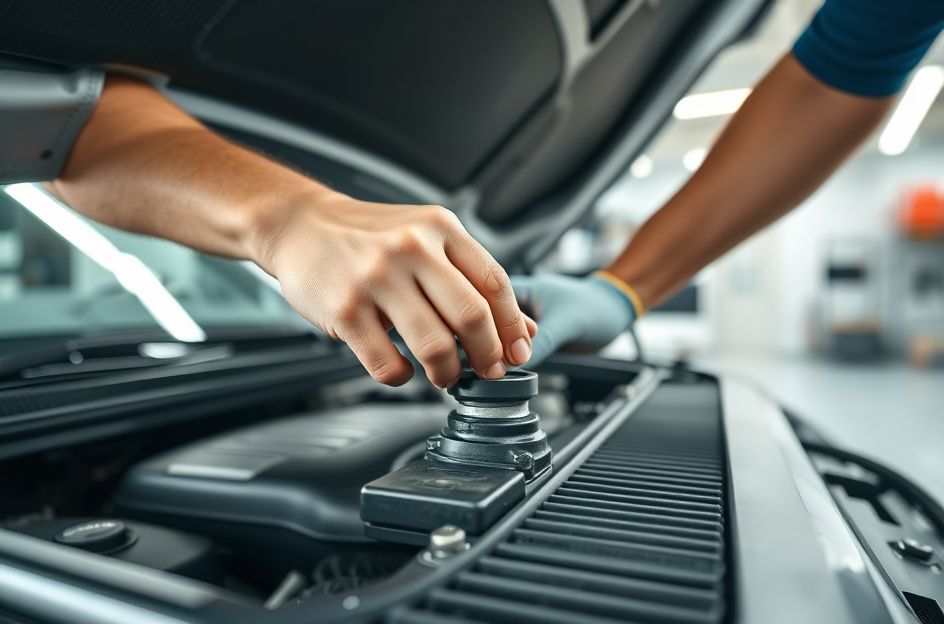
A high-quality radiator is crucial for preventing catastrophic engine failure. The radiator dissipates heat absorbed by the coolant as it circulates through the engine. Its design incorporates tubes connecting two tanks, maximizing contact with the atmosphere to efficiently cool the fluid. A car engine generates significant heat during operation, enough to cause self-destruction if not properly managed. The radiator’s primary role is to protect the engine from overheating and subsequent damage.
Regular radiator checks are essential for identifying potential problems early on, especially as vehicles age and become more susceptible to issues. If your radiator overheats, immediately turn off the air conditioning to reduce the engine’s workload. Next, turn the heater on to its highest setting. This seemingly counterintuitive step transfers heat away from the engine and into the cabin. If you’re stuck in traffic, pull over to the side of the road and open the hood to facilitate cooling. Check the coolant level in the overflow tank. A low or empty tank indicates a potential coolant shortage in the radiator itself. To check the system’s pressure, carefully wrap a cloth around the upper radiator hose and gently squeeze. Proceed with caution, as the system could be hot.
Routine radiator inspections can prevent major engine problems, saving you significant repair costs and the inconvenience of a breakdown.