
As concerns about West Nile Virus and Lyme disease increase, so does the use of insect repellents. However, many commercial repellents contain harsh chemicals that require careful application. Reports exist of severe reactions in children following exposure to DEET-based products, highlighting the potential dangers.
While adults may not experience immediate, life-threatening effects, the cumulative impact of toxins found in many commercial repellents can burden the liver and other organs. Thankfully, effective and safe natural alternatives exist.
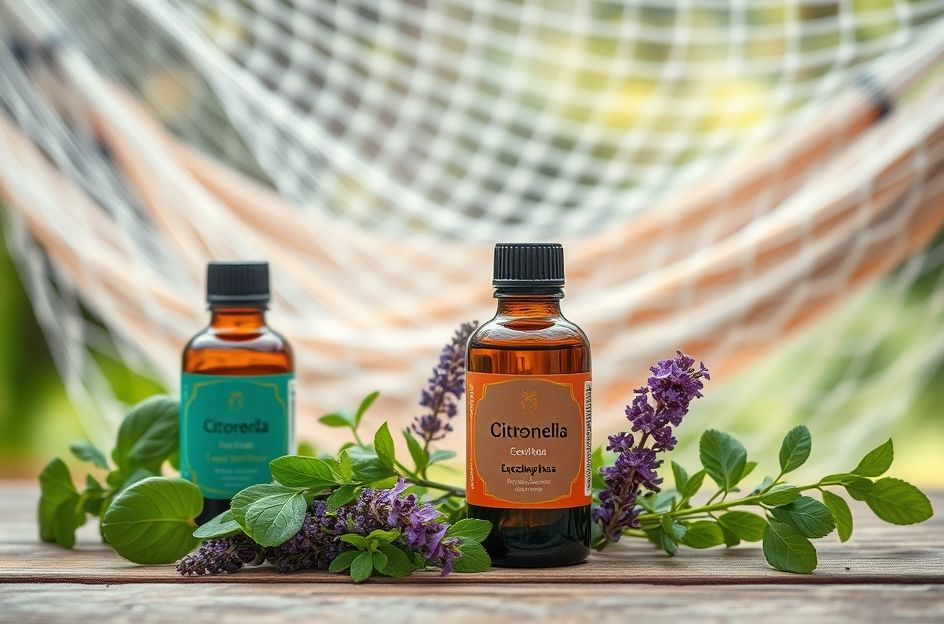
Natural insect repellents utilize essential oils to ward off mosquitoes, ticks, and other pests. These oils offer a healthy alternative, providing nutrients while repelling insects. Popular choices include citronella, tea tree, cedarwood, eucalyptus, lemongrass, orange, rosemary, clove, oregano, and peppermint. Pre-made blends are readily available, or you can create your own by mixing 20 drops of your chosen essential oil(s) with one teaspoon of a carrier oil like olive, jojoba, almond, or coconut oil. This mixture can then be applied directly to the skin or added to unscented lotion. For immediate relief from bites, consider using a tea tree oil blend to reduce itching, pain, and swelling.
Some individuals are simply more attractive to bugs than others. This may be due to cologne use or a deficiency in B vitamins, particularly thiamine (B1). Rather than taking a single B vitamin, a B complex supplement is recommended to avoid imbalances. Adequate B vitamin levels can produce a subtle odor that repels insects, undetectable to humans. Foods rich in thiamine, such as whole-grain brown rice, brewer’s yeast, blackstrap molasses, wheat germ, and fish, can also help. Garlic consumption also acts as a natural repellent. Conversely, sugar consumption depletes B vitamins and emits a sweet scent that attracts bugs, while alcohol consumption dilates blood vessels, making you more appealing to mosquitoes and horseflies.
Don’t forget about your pets! Natural repellents are available for them, as well as brewer’s yeast and garlic supplements that can be added to their food.
*Disclaimer: This information is for educational purposes only and is not intended as medical advice. Consult with a healthcare professional for any health concerns.*