
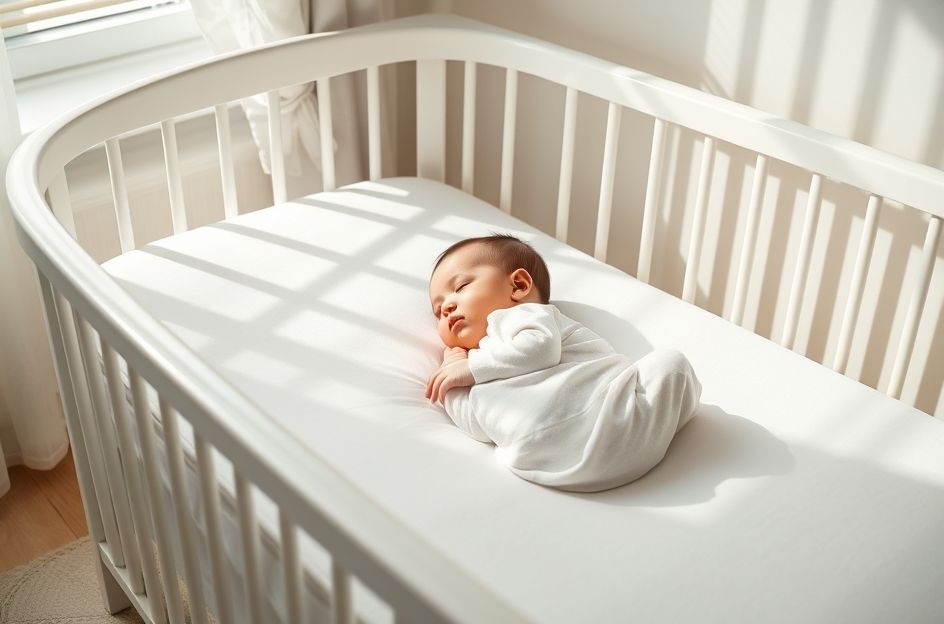
The well-being of their child is the primary concern of every new parent. While many parents diligently shield their infants from common colds and flu, the impact of household allergens is often overlooked. Symptoms like sneezing, runny noses, coughing, and breathing difficulties can signal allergic rhinitis, triggered by seemingly innocuous elements in a child’s environment. Dust mites, pet dander, mold, and pollen are common culprits. Fortunately, minimizing allergen exposure can be straightforward with the right knowledge.
Understanding respiratory allergens is crucial for safeguarding your child. An allergy is essentially an immune system overreaction to a substance in the environment. The body perceives these substances as threats, releasing chemicals like histamines, leading to discomfort and potential harm. While a child may eventually develop tolerance, neglecting allergic symptoms can contribute to respiratory issues like asthma.
Dust mites, animal dander, and mold are the most prevalent household allergens. Dust mites thrive in carpets and fabrics, feeding on shed skin cells. Inhaling accumulated mites from improperly cleaned areas can cause allergic reactions. Wash bedding and clothing in hot water weekly and use impermeable mattress encasements on cribs and beds to create a barrier against dust mites. Vacuuming and dusting weekly with a HEPA filter vacuum is essential. Regularly clean or replace heating, furnace, and air conditioning filters.
Stuffed animals can also harbor dust mites. Wash plush toys as frequently as bedding and clothing.
Pet dander is another common allergen. The most effective solution for severe allergies is finding the pet a new home, though this can be emotionally difficult. For milder allergies, keep the animal well-groomed, bathe them regularly, keep them off furniture, and restrict access to the child’s room.
Mold thrives in damp environments like closets, attics, refrigerators, and even mattresses. Mold spores cause allergic reactions and potential health problems. Preventing mold growth involves maintaining dry air in susceptible areas using dehumidifiers in winter and air conditioning in summer. Use mold-inhibiting disinfectants like bleach or tea tree oil solutions to clean high-risk areas.
Consult your child’s doctor about any respiratory symptoms. While allergy medication is often unsuitable for newborns, especially those under six months, your doctor can suggest appropriate treatment options.
Allergic tendencies are inherited. If either parent has allergies, the child has a higher chance of developing allergies as well, though not necessarily to the same substances. Allergic reactions may not manifest immediately; symptoms may appear after a few months once the child’s exposure reaches a certain threshold.
Newborn allergies can be daunting for parents. Proactive prevention is key. Thoroughly clean and disinfect the baby’s spaces, ensure proper ventilation, vacuum regularly, and wash bedding frequently, protecting mattresses with impermeable covers. While newborn care presents challenges, with proper preparation, household allergens don’t have to be one of them.