
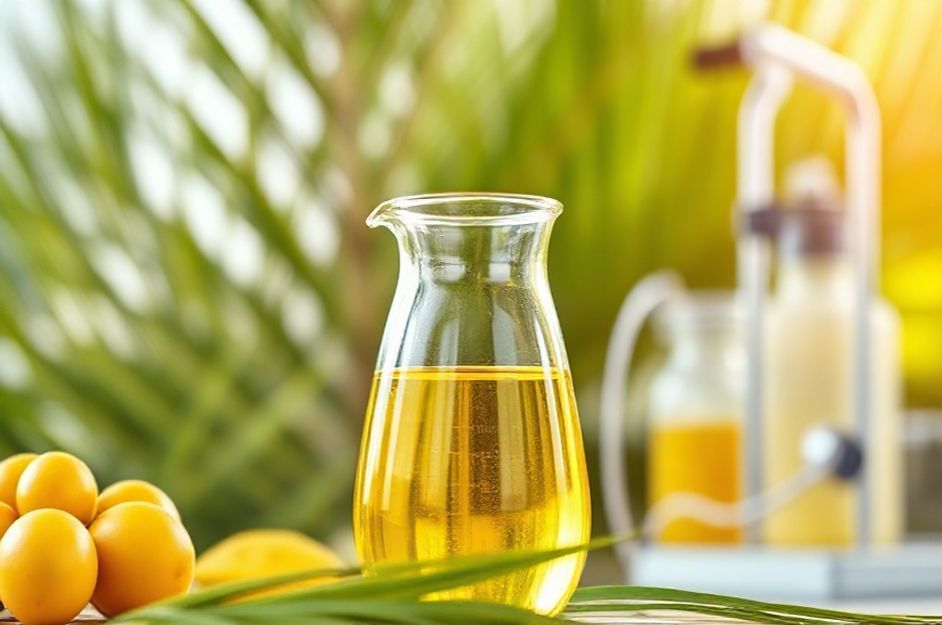
Palm oil biodiesel is a biofuel produced through a reaction between palm oil or animal fat and an alcohol, such as methanol or ethanol, in the presence of a catalyst. This process, called transesterification, yields mono-alkyl esters and glycerin, which is then removed. The resulting biodiesel is a clean and renewable alternative fuel that addresses growing environmental concerns like global warming and the diminishing of fossil fuel reserves.
Field trials have demonstrated several advantages of palm oil biodiesel: it requires no engine modifications, delivers good engine performance, produces cleaner exhaust emissions, and offers comparable fuel consumption to petroleum diesel.
Here are key reasons why palm oil is a strong contender for biodiesel production:
* **Abundant and Stable Supply:** Palm oil offers a reliable and consistent source material.
* **Versatile Fractionation:** Crude palm oil can be broken down into numerous useful components.
* **Cost-Effective:** Palm oil is often cheaper than other oils, especially soybean oil.
* **Existing Domestic Use:** Palm oil is already utilized within domestic markets.
* **Reduced Petroleum Dependence:** Palm oil biodiesel lessens reliance on petroleum diesel.
* **Biodegradable and Emission-Reducing:** Palm oil biodiesel is biodegradable and cuts down on harmful emissions.
Palm oil biodiesel is a clean-burning alternative fuel derived from palm oil. It contains no petroleum but can be blended with petroleum diesel at any ratio to create a biodiesel blend. It can be used in compression-ignition (diesel) engines with minimal or no modifications. Palm oil biodiesel is easy to handle, biodegradable, non-toxic, and virtually free of sulfur and aromatics.
During transesterification, the glycerin is separated from the palm oil, leaving behind methyl esters (palm oil biodiesel’s chemical name) and glycerin (a valuable byproduct used in soaps and other products).
It’s crucial to distinguish palm oil biodiesel from raw vegetable palm oil. Fuel-grade palm oil biodiesel must adhere to strict industry specifications (ASTM D6751) to ensure proper performance. Palm oil biodiesel has undergone comprehensive health effects testing under the 1990 Clean Air Act Amendments. Biodiesel meeting ASTM D6751 and registered with the Environmental Protection Agency (EPA) is a legal motor fuel. Raw palm oil does not meet biodiesel fuel specifications, is not EPA-registered, and is not a legal motor fuel.
The official definition of palm oil biodiesel, consistent with federal and state laws and Original Equipment Manufacturer (OEM) guidelines, is:
Palm oil biodiesel is defined as mono-alkyl esters of long-chain fatty acids derived from palm oil vegetable oils, conforming to ASTM D6751 specifications for use in diesel engines. Biodiesel refers to the pure fuel before blending with diesel fuel. Biodiesel blends are denoted as “BXX,” where “XX” represents the percentage of biodiesel contained in the blend (e.g., B20 is 20% biodiesel, 80% petroleum diesel).
Palm oil biodiesel offers significant environmental advantages as it’s made from renewable resources (palm oil) and produces lower emissions than petroleum diesel. It’s also less toxic than table salt and biodegrades as quickly as sugar. By utilizing renewable resources like palm oil, its use reduces dependence on foreign oil and supports the domestic economy.
Palm oil biodiesel can be sourced directly from biodiesel producers and marketers, as well as petroleum distributors.
Biodiesel is technically defined as a fuel comprised of mono-alkyl esters of long-chain fatty acids derived from vegetable oils or animal fats, designated B100, and meeting the requirements of ASTM D 6751. Biodiesel blend is a blend of biodiesel fuel meeting ASTM D 6751 with petroleum-based diesel fuel, designated BXX, where XX represents the volume percentage of biodiesel fuel in the blend. Biodiesel, as defined in D 6751, is registered with the US EPA as a fuel and a fuel additive under Section 211(b) of the Clean Air Act.