
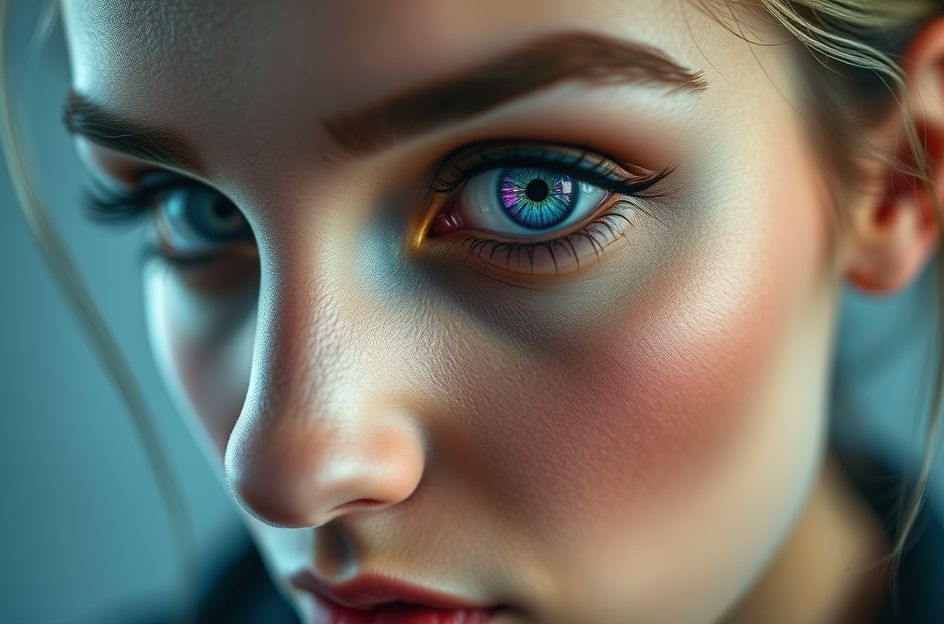
Novelty contact lenses, often seen as eye accessories, come in a wide array of designs and colors. Initially popular for Halloween, their use has expanded to various occasions. Today, they are widely accessible to adults over 18 through beauty salons, online marketplaces, and novelty shops. However, consulting an ophthalmologist before purchasing is crucial to prevent corneal infections. Instances of vision loss due to hazardous materials in novelty lenses highlight the importance of seeking FDA-approved options.
Reports of eye infections and vision impairment from unsafe novelty lenses are a growing concern. These issues often stem from lenses manufactured with substandard materials and sold by unreliable vendors, particularly during seasonal events. Consumers sometimes underestimate the risks, assuming short-term wear poses no harm. While some individuals wear colored novelty lenses daily without adverse effects due to purchasing FDA-standard products, safety should always be a priority. Fashion statements are possible with novelty lenses when safety is paramount.
Novelty contact lenses are used by fashion-conscious individuals to alter their eye color and appearance, adding a touch of magic for special events when the right color is selected.
There are four primary types of colored novelty contact lenses:
* **Visibility Tinted Lenses:** These lenses feature a light blue or green tint for easy spotting, aiding in insertion and removal without affecting eye color.
* **Enhancement Tinted Lenses:** These lenses use a solid, translucent tint to enhance the natural eye color.
* **Opaque Color Lenses:** Designed to completely change the eye color, these lenses offer a dramatic transformation.
* **Light Filtering Contact Lenses:** These specialized lenses enhance specific colors, such as optic yellow for golf balls or tennis balls, improving visibility for sports players.