
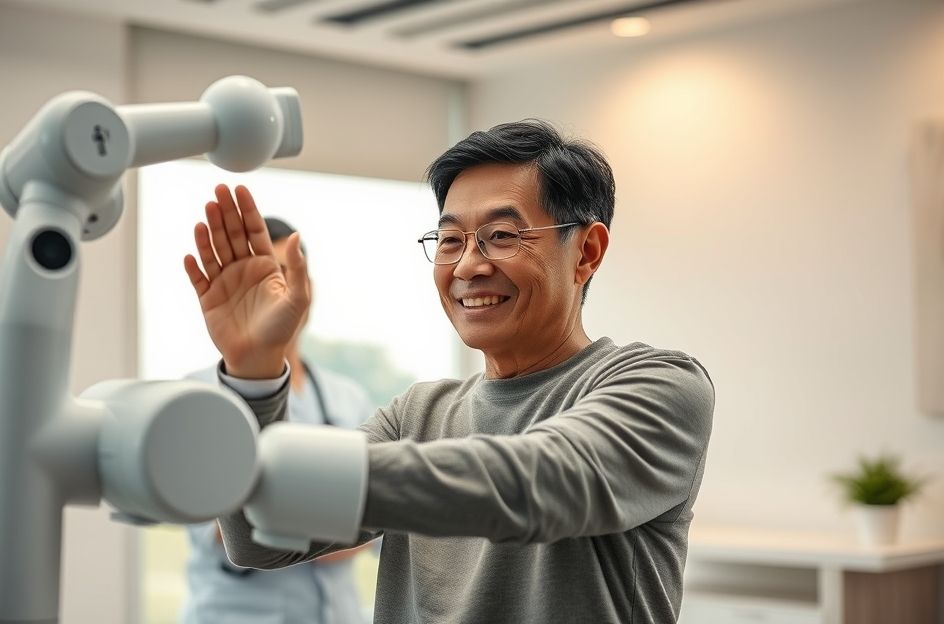
While approximately 85% of stroke patients recover within a year, many others experience persistent challenges. Fortunately, advancements in technology and holistic approaches are offering new avenues for rehabilitation.
Cutting-edge robotics is transforming stroke diagnosis through telemedicine and treatment via robot-assisted therapy. Clinical trials indicate that robot-assisted therapy can aid patients in regaining arm movements, even years after a stroke. These therapies often involve engaging video games that encourage patients to extend their arms with the robot’s assistance.
Beyond robotics, providing patients and their families with self-management skills can yield benefits comparable to nurse-led home intervention programs, but at a lower cost. Outpatient stroke clinics offer crucial follow-up care, potentially reducing hospital admissions or shortening stays through robust community support.
Increasingly, patients seek care beyond conventional medicine. Complementary and alternative medicine (CAM), encompassing therapies like acupuncture, chiropractic, homeopathy, diet changes, herbal medicine, and massage, is gaining traction. Traditional Oriental medicine, with its preventive focus, integrates seamlessly into daily wellness routines, promoting healthy living, regular exercise, sufficient sleep, and meaningful relationships.
NeuroAid, a traditional Chinese medicine, has emerged as a safe and effective option for stroke rehabilitation. Studies show it benefits patients within six months post-stroke who experience motor function loss or dependence, with minimal side effects reported.