
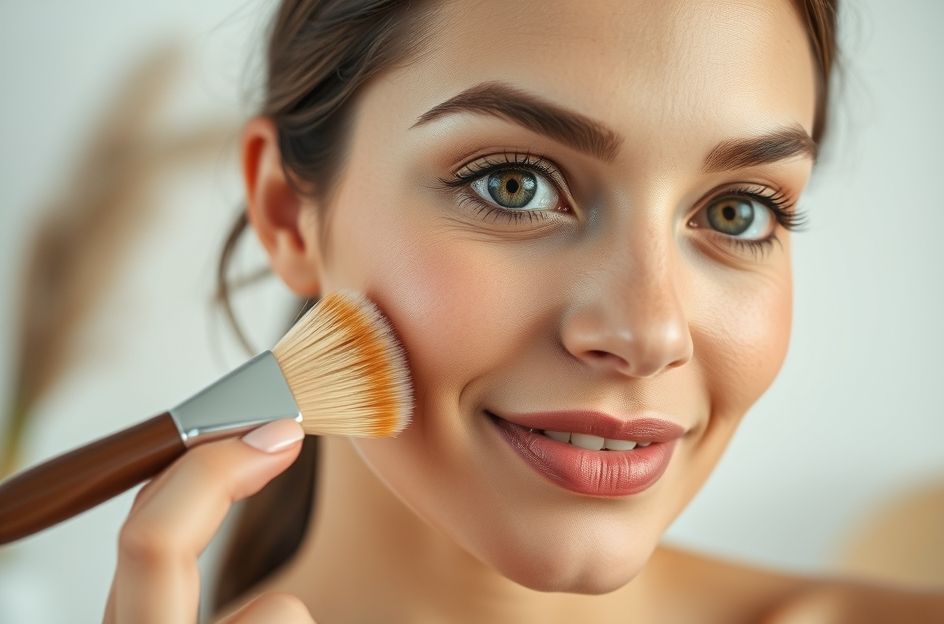
The allure of natural makeup is undeniable, with many companies and influencers vying for your attention. But is switching to natural cosmetics the right choice for you? Dr. Roberta Palestine, a dermatologist with residency experience at the Mayo Clinic, offers a balanced perspective: “Natural isn’t always better, and synthetic isn’t necessarily worse. Poison Ivy is natural, but that certainly doesn’t make it good…a chemical is a chemical, what matters is your skin type.”
For women with allergies or sensitive skin, the rise of gentle and hypoallergenic makeup options is a welcome development. However, it’s crucial to understand that the term “hypoallergenic” lacks a strict medical definition. To truly understand a product, examine the ingredient list, where ingredients are listed in descending order by volume.
Often, skin irritation develops gradually, and women may not immediately connect it to their makeup. Daily use of foundation, for example, can dry out and aggravate the skin. If you have sensitive skin, be particularly wary of products containing fragrances, mineral oil, formaldehyde, and alcohol, as these are known irritants.
Switching to natural makeup may involve an adjustment period for your skin. If you’re considering making the change, commit fully to minimize this transition. Thoroughly research any brand claiming to be all-natural, ensuring they are reputable and use high-quality ingredients. Ultimately, the decision to switch is a personal one. However, if you suspect your current products are harming your skin, exploring natural alternatives is worth considering.