
Imagine cruising down the open road, the sun warming your face, feeling connected to your car. Now, picture the sudden, terrifying realization that your brakes have failed. A properly functioning brake system is paramount to your safety.
For over a century, the automotive brake system has undergone continuous refinement. Modern brake systems are incredibly reliable and efficient, thanks to ongoing innovation and driver experience. Without effective brakes, drivers and passengers would be at extreme risk of accidents.
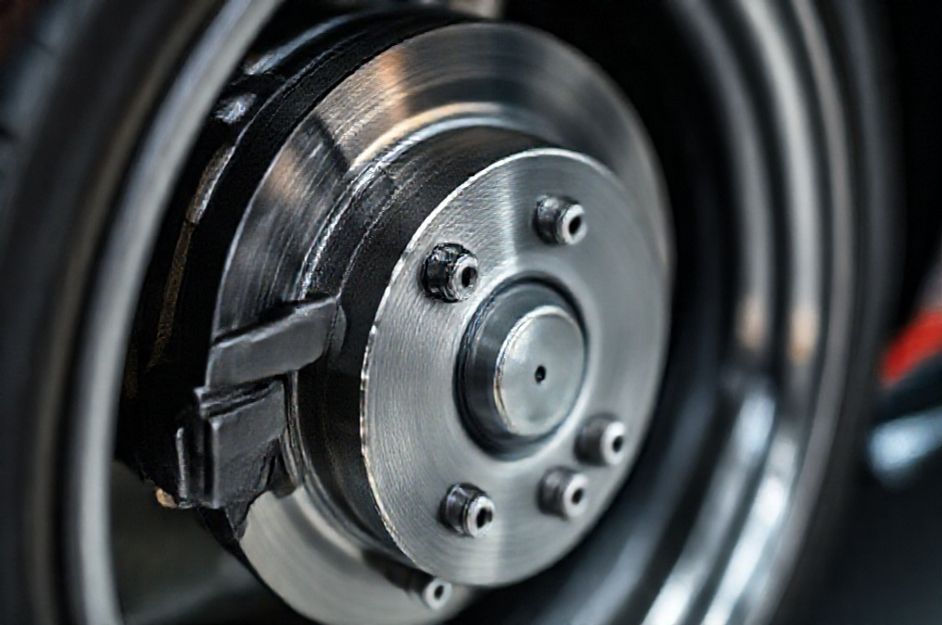
Most cars utilize disc brakes on both the front and rear wheels, although some older models or less expensive vehicles may still employ drum brakes on the rear. A network of tubes and hoses connects these brakes to the master cylinder. Beyond the core braking mechanism, systems like parking brakes, power brake boosters, and anti-lock braking systems (ABS) are integrated.
When you press the brake pedal, you’re essentially pushing a plunger within the master cylinder. This action forces hydraulic fluid through the network of tubes and hoses to the braking unit at each wheel. Because hydraulic fluid is incompressible, the pressure applied to the pedal is directly transferred to the brakes. This is similar to pushing a steel rod through a pipe, but with a crucial difference:
hydraulic fluid can navigate twists and turns. The fluid cycles through the system, ready for repeated use. It’s vital to keep this fluid free of air bubbles, as they reduce braking efficiency. If air enters the system, it must be “bled” out through bleeder screws located on each wheel cylinder and caliper.
Manufacturers dedicate significant attention to detail in vehicle production, including braking systems. To maintain optimal performance, using high-quality brake parts is crucial. A reliable parts supplier offers a comprehensive range of brake components to ensure your vehicle’s braking system operates at its best.