
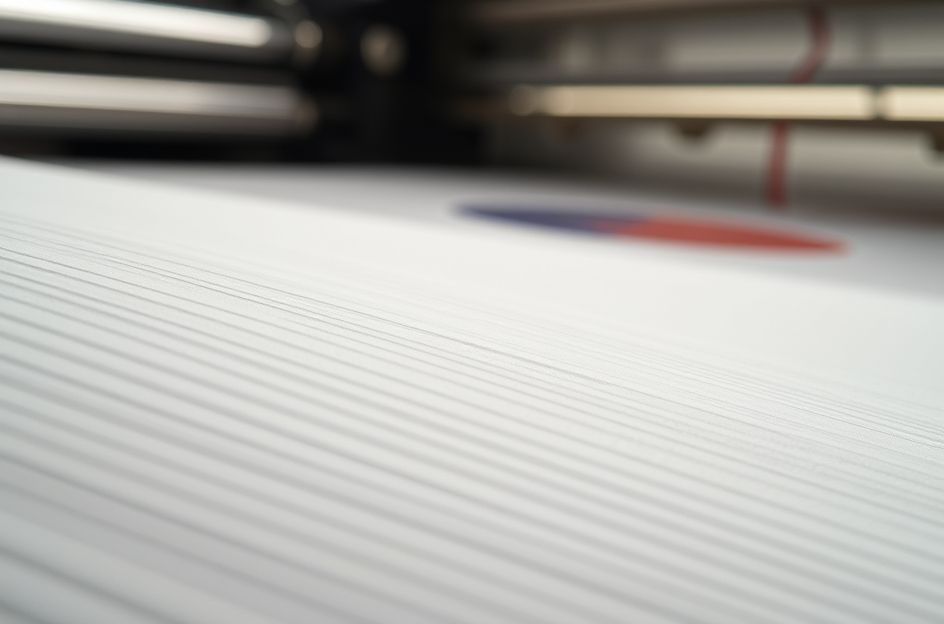
The grain direction of paper significantly impacts printing quality, durability, and aesthetics. Understanding grain direction is crucial for achieving optimal results in any printing project. By correctly aligning the grain, you can minimize warping, enhance color vibrancy, and ensure clean folds and scores.
Paper grain comes in two primary orientations: long grain and short grain. Long grain refers to paper where the grain runs parallel to the paper’s longest side. Conversely, short grain indicates that the grain runs parallel to the shortest side.
The choice between long grain and short grain depends on the specific printing application. For full-color digital printing, long grain is generally preferred. This minimizes paper stretching during printing, leading to sharper images and more consistent color reproduction. The long grain also enhances the overall visual impact of the colors.
Grain direction is also essential for finishing processes like scoring and folding. Folding or scoring with the grain results in cleaner, more durable folds, while folding against the grain can weaken the paper and lead to cracking. By aligning the grain correctly, you can significantly improve the longevity and appearance of printed materials.
For items requiring stability and resistance to bending or buckling, such as business cards, postcards, posters, and letterheads, long grain is typically the better choice. The long grain provides added rigidity and helps maintain the shape of these items over time.
Short grain is often preferred for applications involving heavy ink coverage or intricate folding, such as labels, CD/DVD covers, and pocket folders. The short grain allows for smoother, more precise folds and reduces the risk of cracking, especially when the paper is heavily saturated with ink.
By understanding and utilizing paper grain to your advantage, you can significantly improve the quality and durability of your printed materials, resulting in a more professional and visually appealing final product.