
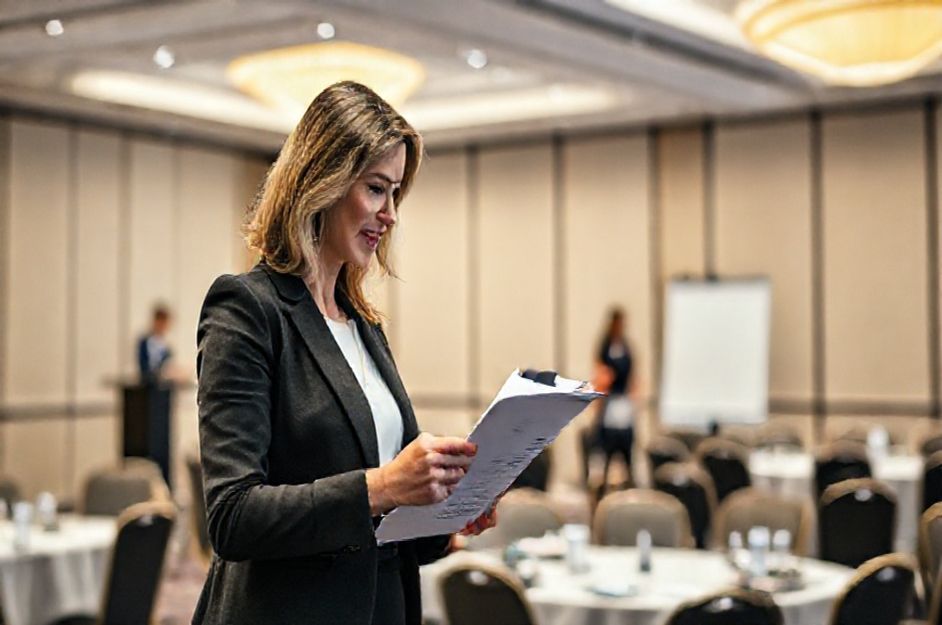
The workshop had concluded, the attendees departed, and Margaret Kerr was attempting to rejuvenate herself with a cup of coffee. The room bore the marks of the day’s activities: scattered flip chart pages, remnants of the buffet lunch, and a collection of empty coffee cups covered every surface. Margaret felt exhausted. The workshop had been demanding, with delegates challenging her knowledge and requiring thorough explanations for the underlying theories. Observing the disarray of what was once an organized training space, she considered simply heading to her car. After all, she thought, the cleaning staff would take care of it. However, there is more to consider.
Once the event concludes and you’ve enjoyed the success, it’s time to dismantle everything. Similar to the setup, assigning specific responsibilities to team members ensures a smooth process. For larger events, a checklist on a flip chart can track progress. Marking completed items provides a clear reference for everyone, enabling them to assist others efficiently.
To ensure venues welcome you back, leave the rooms as you found them – tidy and ready for the cleaning staff. While seemingly obvious, it’s easy to rush off after a stressful event. However, maintaining a good reputation is crucial.
Before departing, connect with your venue contact. Share feedback from evaluation forms; they should value this information. Offer your own feedback, both positive and negative, ending with a positive comment and expressing your intention to return.
If the venue staff provided exceptional service, send a thank-you letter to the venue manager. Such attention to detail can lead to preferential treatment in the future.
Margaret was about to leave when her colleague, Ben, entered energetically. “Where do you get the energy, Ben?” she inquired. “I pace myself,” he replied matter-of-factly, “the day isn’t over until it’s over.”