
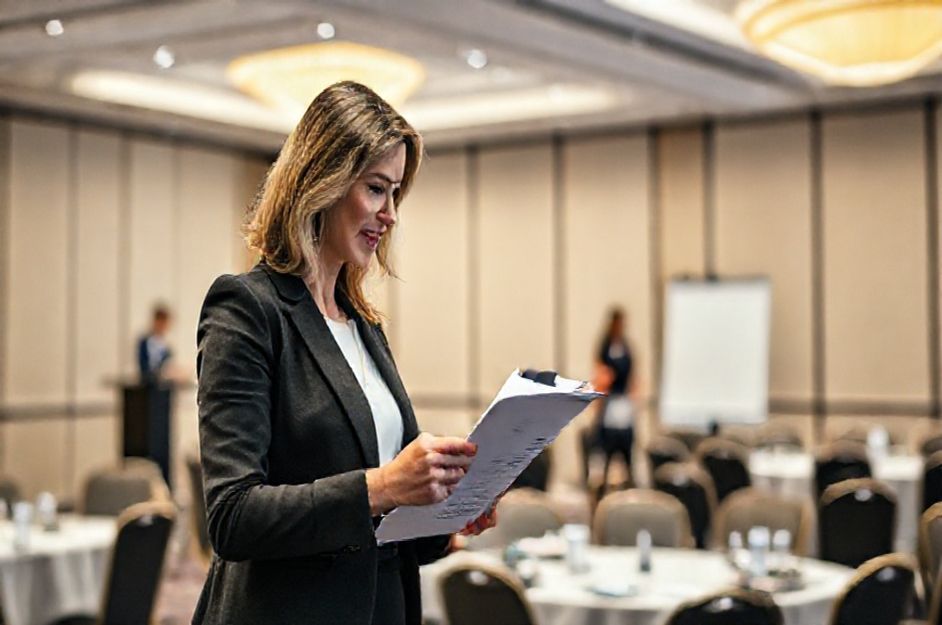
The workshop had concluded, the delegates departed, and Margaret Kerr sought refuge with a cup of coffee. The room was scattered with flip chart paper, remnants of the buffet lunch, and numerous empty coffee cups. Margaret felt exhausted. It had been a challenging workshop; the delegates were sharp, intelligent, and inquisitive, probing her knowledge and requiring thorough explanations for the presented theories. Surveying the disorganized room, she barely had the energy to reach her car, assuming the conference center’s cleaning staff would handle the cleanup.
After a successful event, once the attendees have left, it’s crucial to systematically dismantle everything brought in. Similar to the setup process, assigning specific responsibilities to team members ensures a smooth breakdown. For larger events, maintaining a checklist on a flip chart helps track completed tasks. This visible list provides easy reference for the team, allowing them to efficiently assist each other.
To ensure venues welcome you back for future events, strive to leave the rooms in their original condition – clean and ready for the cleaning staff. While this seems obvious, the urge to leave everything behind after a stressful event can be strong. However, your reputation is more valuable than a few scattered papers.
Before your final departure, connect with your venue contact. Share feedback from evaluation forms and provide your own observations, both positive and negative. Always conclude with a positive comment, expressing your intent to return.
If any conferencing staff provided exceptional service, follow up with a thank-you letter to the venue manager. This attention to detail can lead to preferential treatment during your next visit.
As Margaret prepared to leave, her energetic colleague, Ben, entered. “Where do you find the energy, Ben?” she asked. “I pace myself,” he replied matter-of-factly, “the day isn’t over until it’s over.”